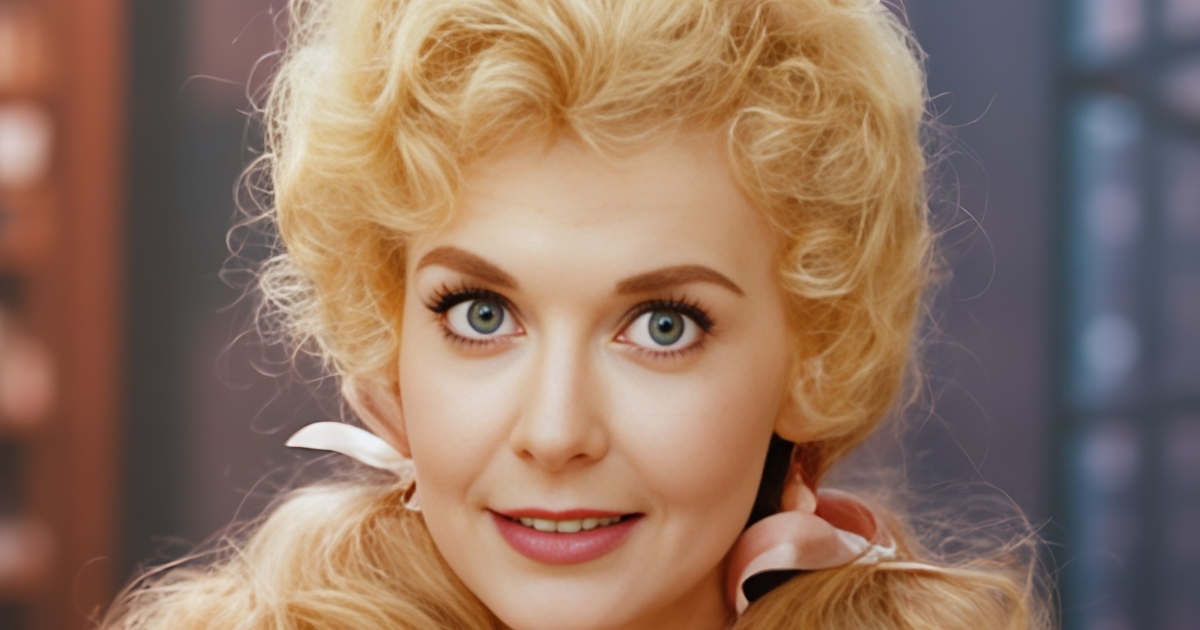
Imagine a young woman from the tiny town of Pride, Louisiana, stepping into the glaring neon of 1960s Hollywood. To millions of viewers, Donna Douglas was simply Elly May Clampett, the tomboyish, “critter-loving” heart of The Beverly Hillbillies. But to understand the woman behind the pigtails, you have to look past the denim and the sitcom laugh tracks.
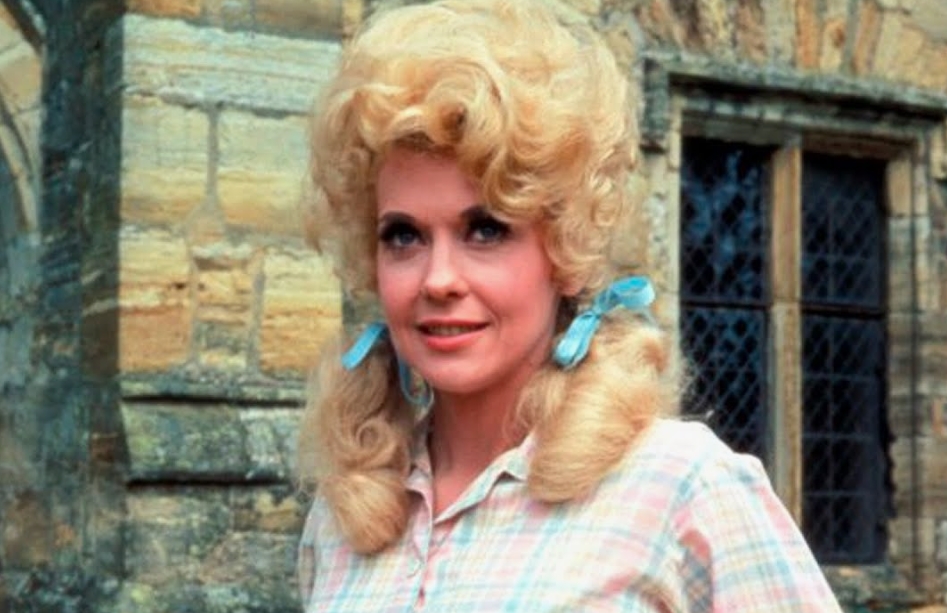
Donna’s journey began in 1932, rooted in the Southern soil that would always claim her heart. While beauty pageants opened the door, it was her 1962 casting as Elly May that turned her into a cultural icon. For nearly a decade, she embodied a specific kind of American innocence. Yet, Donna was never just a “hillbilly” trope.
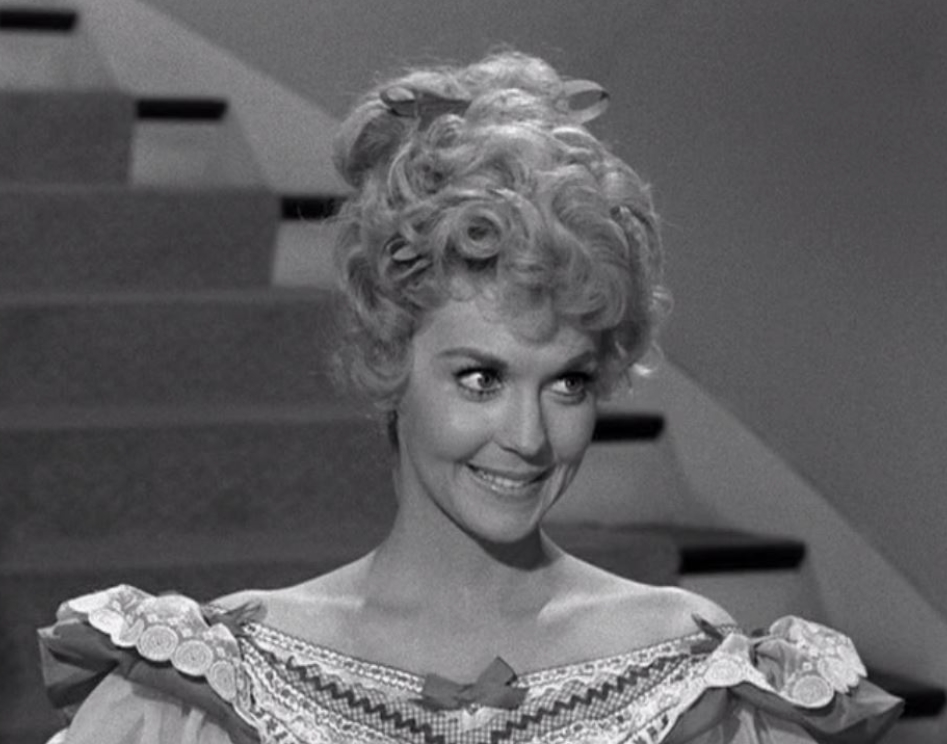
She was a woman of unexpected range. Think about this: while she was known for slapstick comedy, she was also holding her own opposite Elvis Presley in the 1966 musical Frankie and Johnny. She even delved into the eerie, surreal world of The Twilight Zone, proving she had the dramatic chops to navigate the industry’s most prestigious sets. She refused to be pigeonholed, even when the industry tried its hardest to keep her in the mansion’s backyard.

The true “human” story of Donna Douglas, however, lies in what she did when the cameras stopped rolling. She was a woman of deep, unwavering faith. When the Hollywood spotlight dimmed, she pivoted toward her spiritual convictions, recording four soulful Christian albums and penning three books. She wasn’t just reciting lines anymore; she was speaking her own truth.
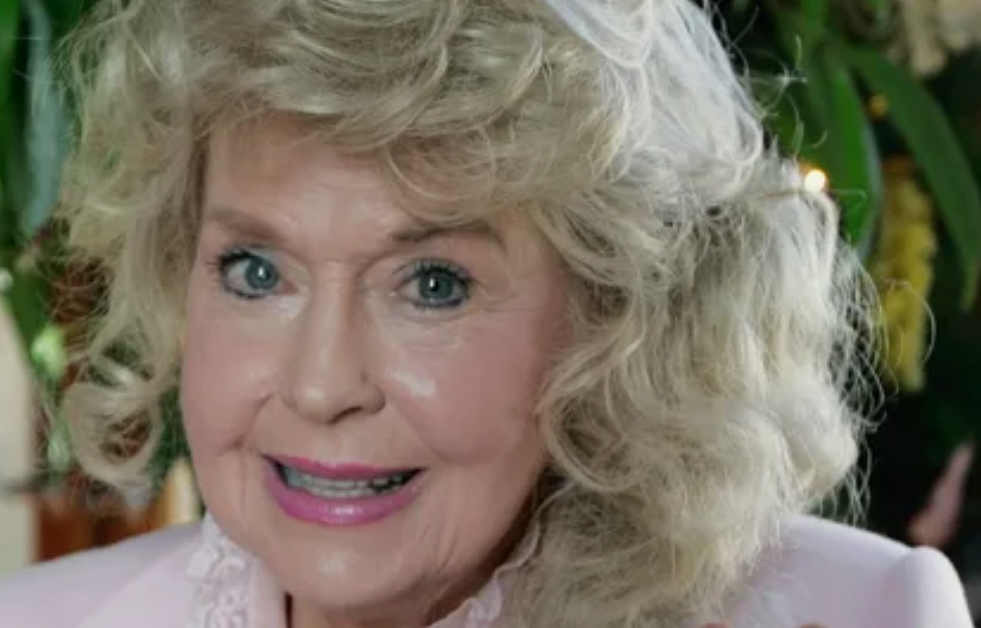
When Donna passed away in 2015 at age 82, she was back home in Louisiana. She left us not just as a blonde bombshell, but as a multifaceted artist who navigated the heights of fame without losing her soul. That is the kind of legacy that lasts—one built on faith, authenticity, and a little bit of Louisiana pride.