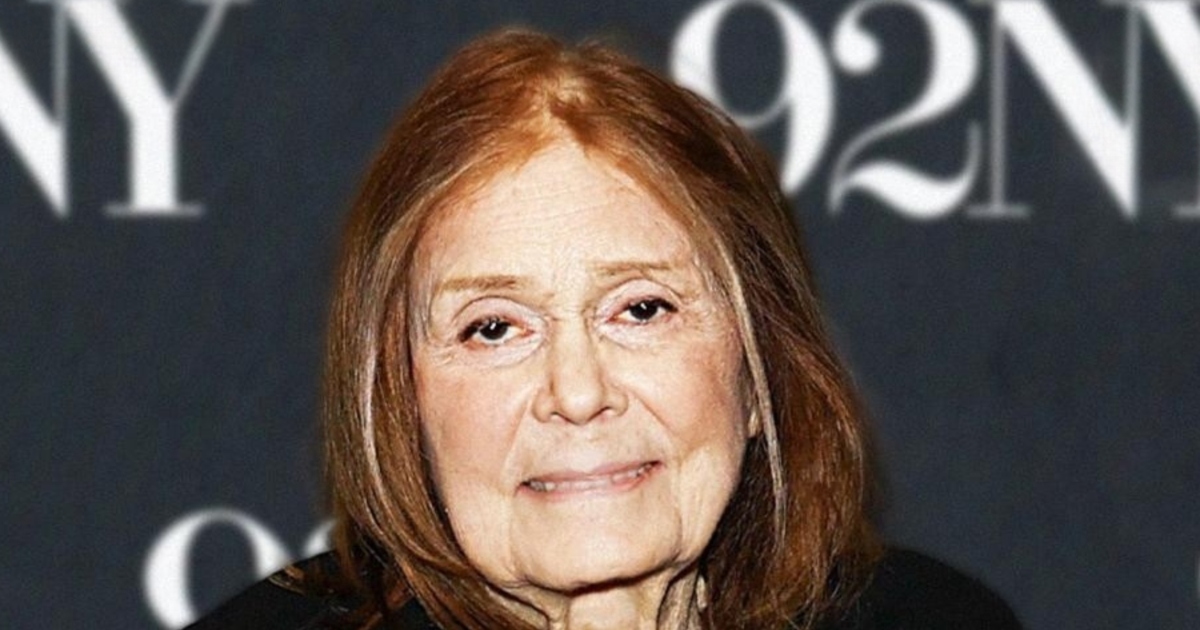
On March 25, 2026, the quiet streets of Manhattan felt the hum of a nearly century-long revolution. Gloria Steinem celebrated her 92nd birthday, a milestone that contrasts the dust of her traveling childhood in Toledo with the mythic endurance she occupies in our collective conscience today. To understand Gloria is to understand that her life was never a straight line, but an architecture of choice built upon the quiet weight of her mother’s sacrificed dreams. She transformed the formative spark of her early caregiving years into a catalyst for social transformation, proving that the most profound leadership is born from an intimate understanding of what it means to be silenced. She remains a definitive study in longevity of talent, a woman who turned a personal history of displacement into a global roadmap for belonging.
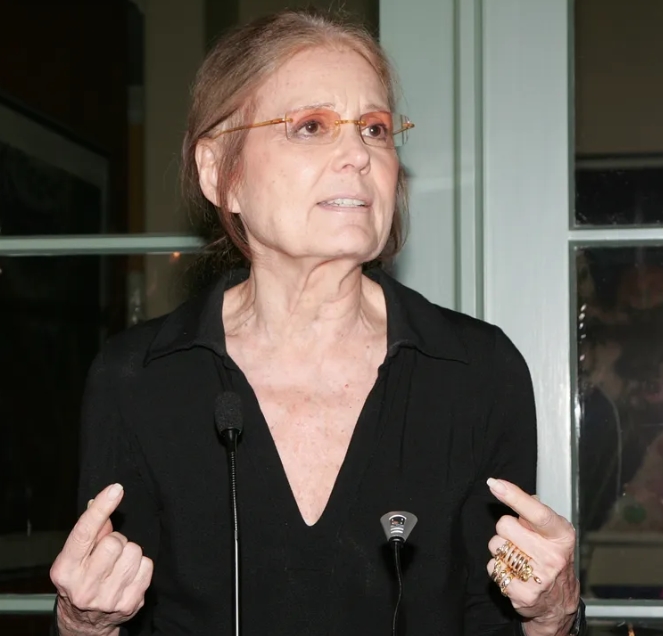
Steinem’s ascent as a media powerhouse was defined by a rare, luminous empathy. From her undercover Playboy exposé to the radical act of founding Ms. magazine, she didn’t just report on the world; she reconfigured it. She handled the task of amplifying marginalized voices with a heart that saw no borders, breaking down the staggering complexities of inequality with miraculous clarity. Her theatrical excellence as a lecturer allowed her to bridge racial and economic chasms, standing on stages not as a distant icon, but as a sister-in-arms. She understood that the revolution would be written in the ink of shared stories, and she used her platform to ensure those stories were impossible to ignore.
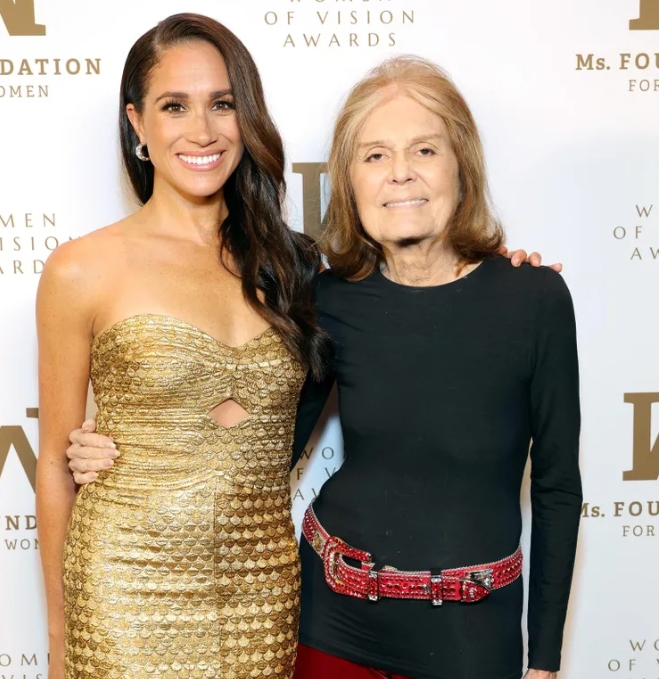
Beyond the editorial desk, her work helped construct the very institutions that safeguard our progress today. By co-founding the Ms. Foundation for Women and the Women’s Media Center, she ensured that inclusion and political representation were not mere trends, but permanent fixtures of the American landscape. Her living legacy was formally etched into history in 2013 when she received the Presidential Medal of Freedom, a historic honor that recognized her as a leading light of the twentieth century. Yet, even with such accolades, her professional integrity remained rooted in the grassroots, always looking toward the next generation of organizers who would carry the torch.
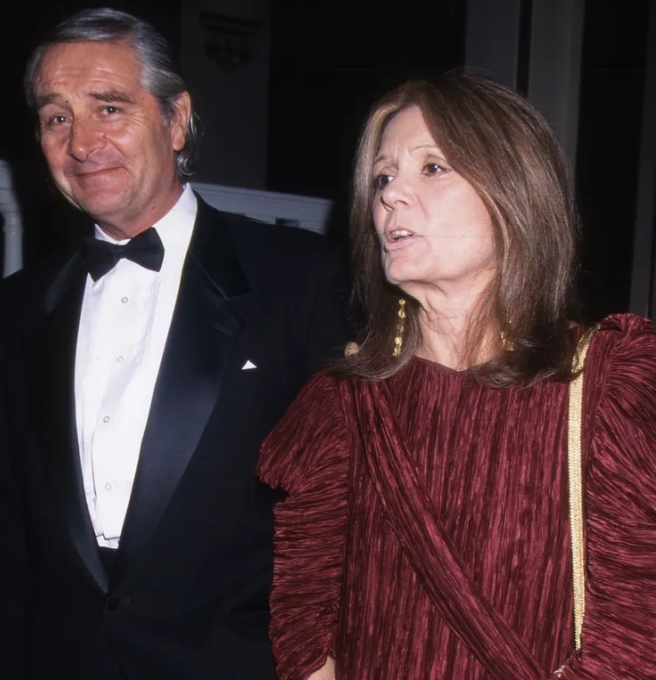
In the more private corners of her journey, Gloria has navigated life with a candor that felt like a gift to women everywhere. Her late-life marriage to David Bale and her unwavering advocacy for the choice of non-motherhood provided a new vocabulary for autonomy. She famously noted that just as having vocal cords doesn’t require one to be an opera singer, having a womb doesn’t mandate motherhood. This simple, profound metaphor helped quietly rewrite the narrative around how a woman contributes to the world. By living her truth so publicly, she gave millions the permission to define their own success, free from the weight of traditional expectations.
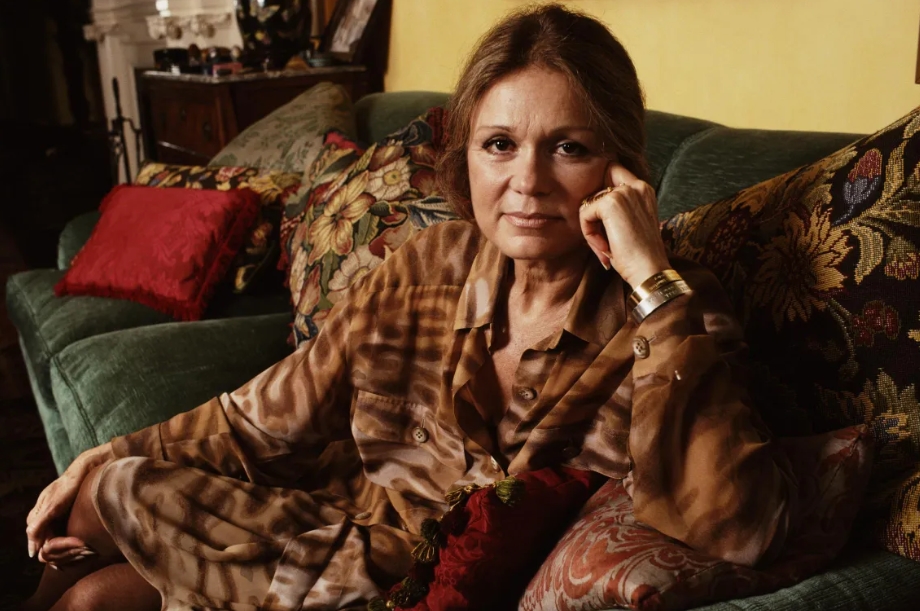
As we look at the world in 2026, Gloria’s New York City home remains a vibrant center for collaboration, a sanctuary where the past and future of the movement meet. She is an angel still on top of the issues, reminding us that the freedoms of today were won by those who refused to accept the sadness of what might have been. Her journey is a testament to the fact that the most necessary compass is one pointed toward justice. Whether she is mentoring a young activist or reflecting on a century of change, she proves that the architecture of a well-lived life is one built on the courage to choose.