
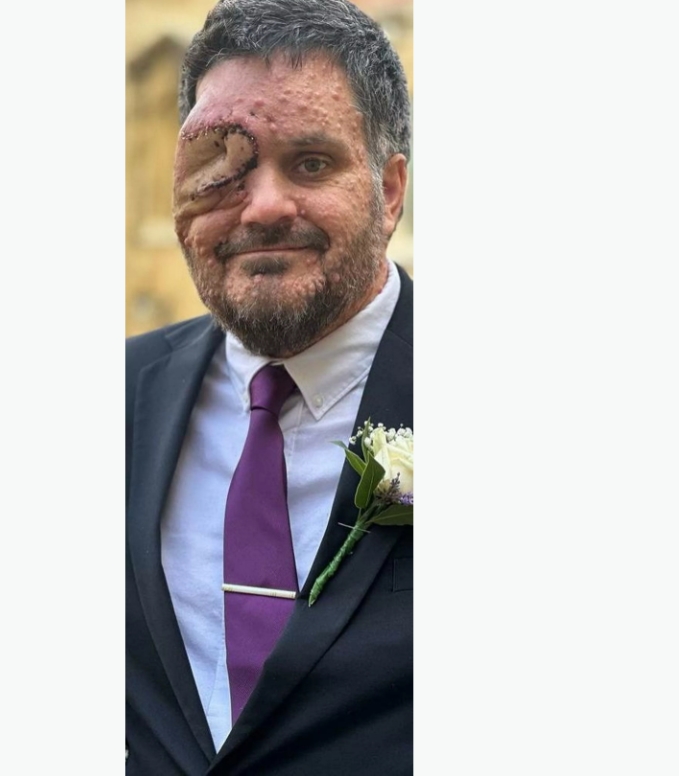
Oliver Bromley, 42, faced a shocking moment of discrimination during what should have been a simple lunch in London. Living with Neurofibromatosis Type 1 (NF1), a genetic condition causing visible, benign tumors on his skin, Oliver was told by restaurant staff that he was “scaring customers” and asked to leave. The public, humiliating encounter exposed the harsh stigma people with visible differences still face, even in everyday settings.
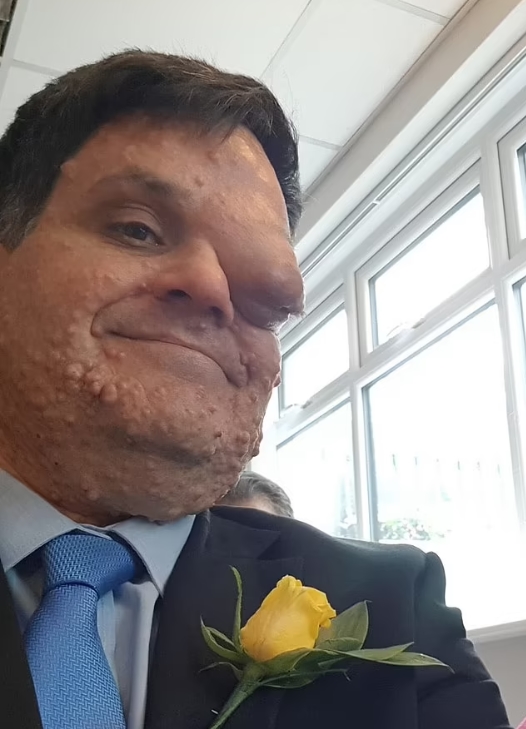
Though used to curious stares, Oliver was deeply hurt by this targeted rejection. When attempts to resolve the situation with the restaurant went unanswered, he reported the incident to the Metropolitan Police, who recorded it as a hate crime. His response was not anger but a call for understanding—turning personal trauma into a message of awareness and empathy.
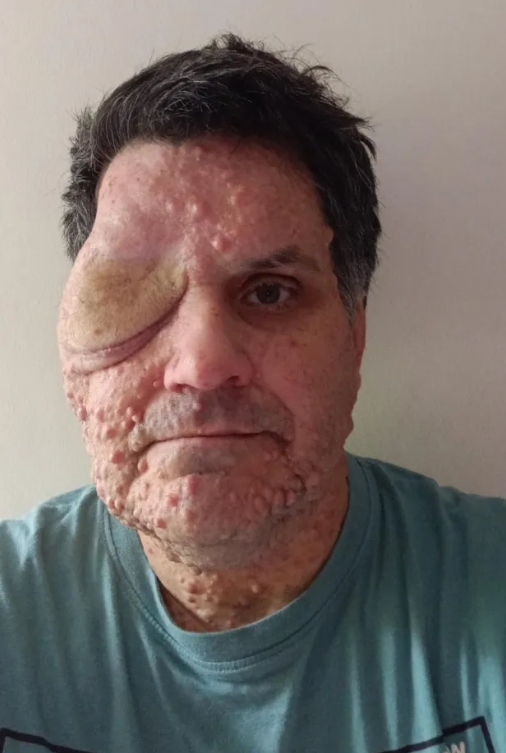
Organizations like Nerve Tumours UK and UKHospitality have stepped in to support Oliver and advocate for others with visible differences. Under the 2010 Equalities Act, “severe disfigurement” is a protected characteristic, and these groups are working to educate staff across the hospitality sector to treat all patrons with dignity, ensuring moments like Oliver’s become lessons in inclusion rather than exclusion.
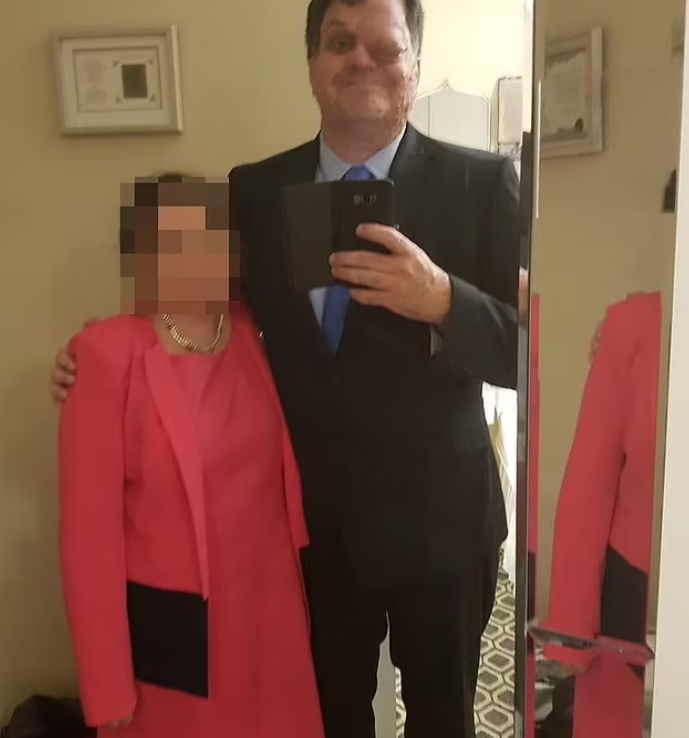
Oliver’s message is clear: his condition is part of who he is—not a threat. By sharing his story, he hopes to replace fear with understanding, promote empathy, and foster legal protections and awareness for people living with visible differences. His experience serves as a reminder that kindness, education, and respect can bridge the gap between misunderstanding and acceptance, transforming moments of discrimination into catalysts for change.
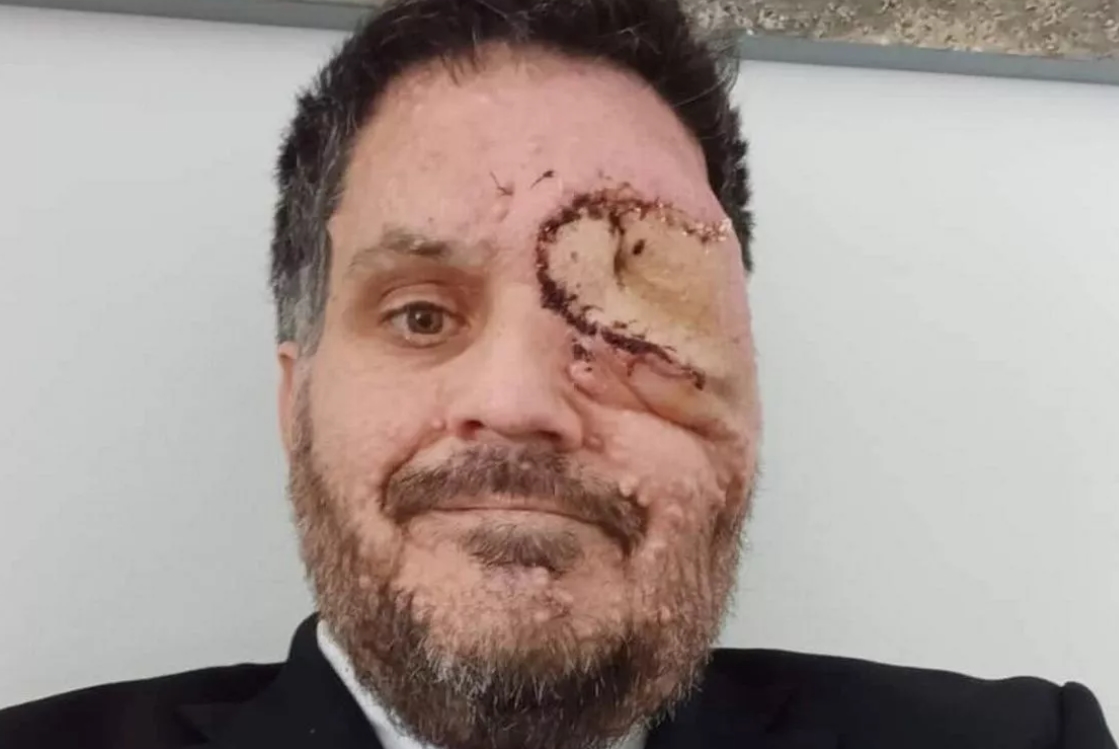
This is not just Oliver’s fight—it’s a call to all of us to recognize the dignity and humanity in everyone, regardless of how they look.