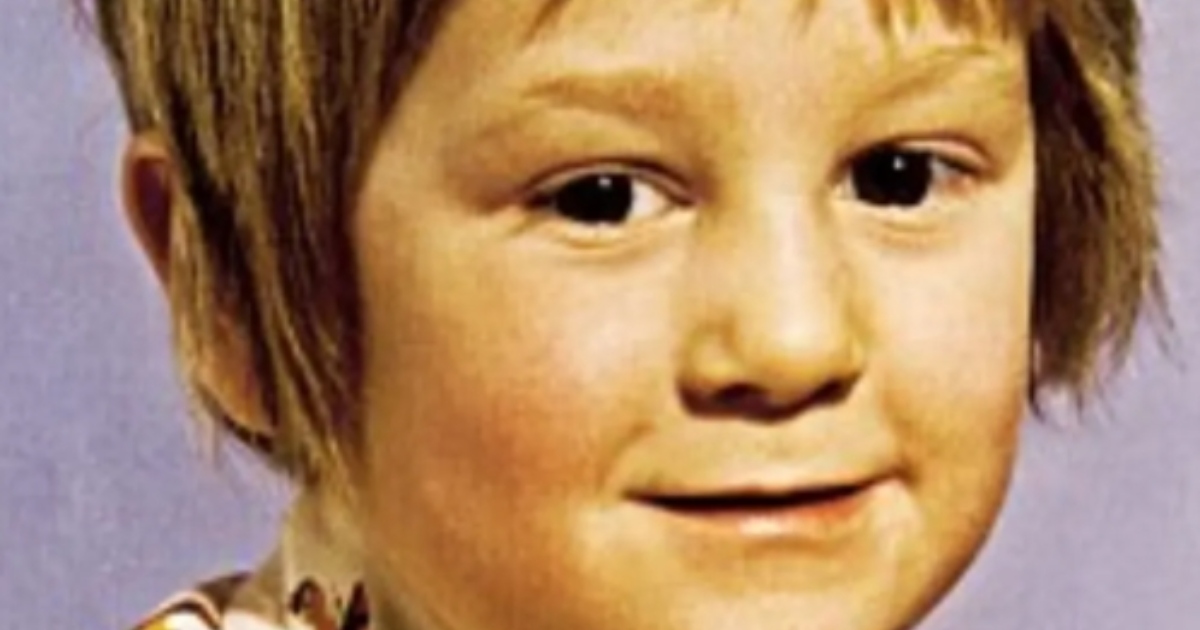
The cover of the memoir Becoming Johnny Vegas presents a curious puzzle: a title that screams for attention while the author’s name is nowhere to be found. This omission is explained in the opening manifesto, where the writer clarifies, “My name is Michael Pennington, and I am not a comic character.” What follows is a raw, psychological exploration of the man behind the mask, framed as a modern-day Dr. Jekyll and Mr. Hyde. Pennington describes the Vegas persona not merely as a stage name, but as a nemesis and deliverer—an aggressive alter ego that eventually staged a hostile takeover of a shy, insecure true self. It is a story of a borrowed identity that offered salvation while simultaneously threatening to delete the man who dreamed it into existence.
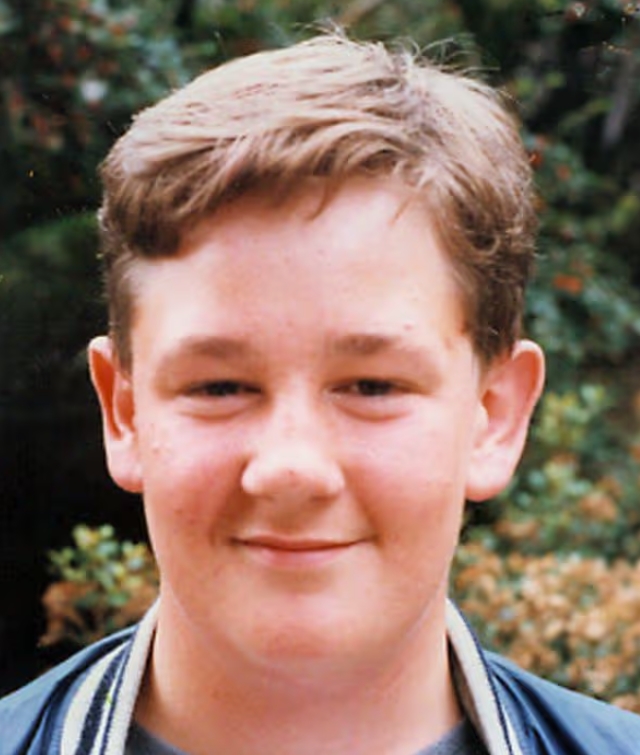
The narrative avoids the typical polish of a celebrity autobiography, eschewing whimsical showbiz anecdotes in favor of a visceral look at his working-class roots in St. Helens. Initially, his childhood is painted with the warmth of breeding maggots in an outside toilet and innocent mischief, but this domestic peace was shattered at age ten. A catastrophic decision to enter a Catholic seminary transformed his world into a landscape of cold stone and sudden isolation. The moment those dormitory doors closed, the personality began to crack under the weight of an institution that sought to sanitize and reshape its students. This was the fracture, the initial break in the spirit where the shadow first found room to grow in the dark.

The hush of the seminary halls at Upholland was a repressive force where free speech was treated like a disease and homesickness felt like a physical burden. In this environment, the staff sought to dismantle the individual, and Pennington describes the lingering damage—the sense of guilt for leaving and the feeling of being a permanent stranger in his own hometown. This period was a fundamental alteration; he was a boy who could no longer find a way back to his original self, stuck between a holy life he didn’t want and a home he no longer felt he belonged to. The silence of the seminary didn’t foster peace; it created a vacuum that a much louder, more raucous voice would eventually fill.

Transitioning to a state school offered little relief, carrying the maximum-security vibe of a wing designed to contain rather than educate. It was here that the Johnny Vegas persona began to crystallize as a protective shell—an imaginary friend with the courage and the cruelty that Michael Pennington lacked. He was a bodyguard for a boy who felt defenseless against the world. The memoir physically manifests this mental schism by switching to a chaotic, ransom-note typeface whenever the Vegas personality seizes control, making the internal conflict a tangible, jagged experience for the reader. The static of a fractured mind is laid bare on the page as the creation begins to outgrow its creator.

Ultimately, the memoir is an unflinching account of self-loathing and the grueling medley of adolescent failure. Pennington spares no detail of the shoplifting and substance use that paved the way for his eventual stage success, making it clear that this was never meant to be a lighthearted holiday read. It is a haunting examination of the grit required to create a monster just to survive a hostile environment. By the time the final page turns, the tragedy is laid bare: the desperate act of building a raucous, drunken shield was so successful that Michael Pennington was nearly assassinated by his own creation. It is a visceral reminder that the masks we wear to survive can, if we aren’t careful, become the only face we have left.