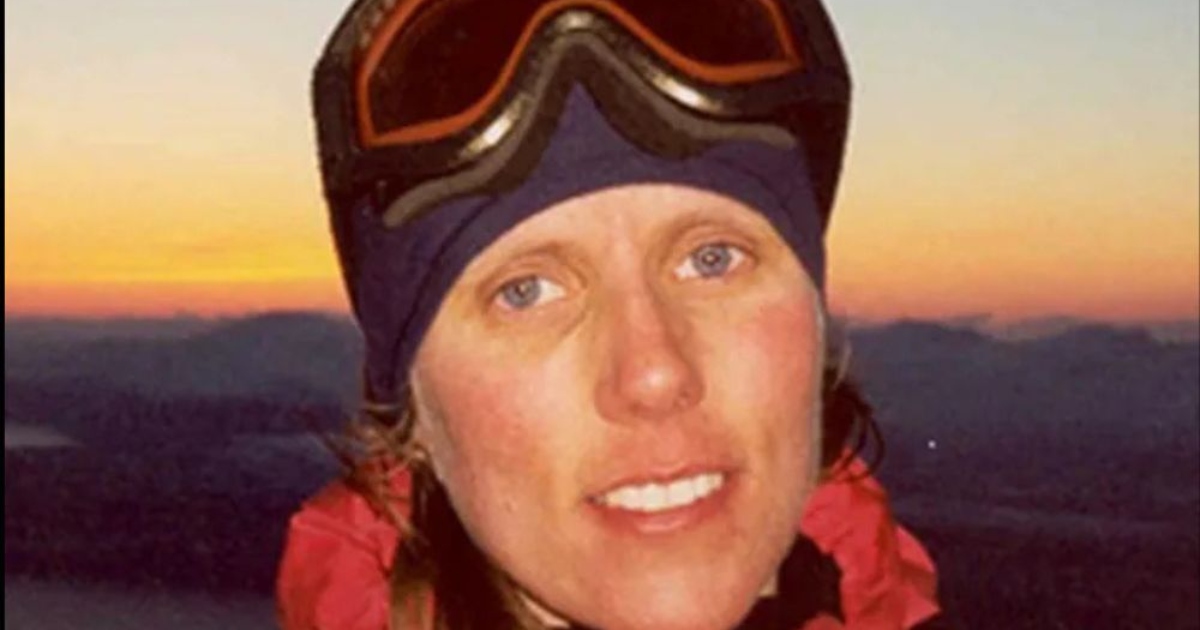
In May 1999, Swedish doctor Anna Bågenholm faced a life-or-death ordeal that would forever redefine medical understanding. While skiing in the Norwegian Arctic, she fell through thin ice and became trapped underwater for over 80 minutes. Her body temperature plummeted to a staggering 13.7°C, and she had no pulse or breathing for more than an hour. By all conventional standards, she was clinically dead.

Anna’s survival began with the unwavering efforts of her friends, who held her in place and called for help, and continued with rescuers who chipped through the ice to pull her out. Even then, her revival depended on advanced medical intervention: continuous CPR during transport and connection to a heart-lung machine at the hospital gradually restored her heartbeat and warmed her body. Her recovery, though long and arduous, was nothing short of miraculous.
The impact of Anna’s case extended far beyond her personal story. Her survival prompted critical medical breakthroughs in hypothermia treatment, including the now-standard “warm and dead” principle, which guides doctors worldwide in treating patients with extreme cold and cardiac arrest. Her experience has since saved countless lives, demonstrating that even in the direst conditions, hope and skill can triumph over seemingly impossible odds.
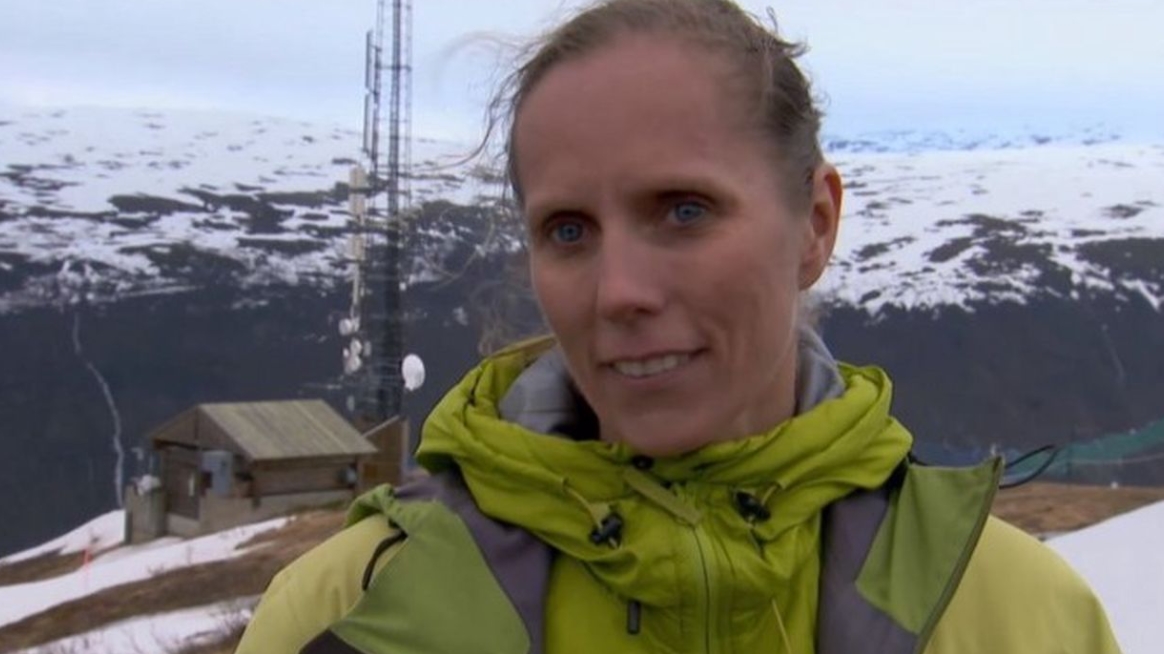
Anna returned to her work as a doctor and even resumed skiing in the same mountains where she nearly lost her life. Her story stands as a testament to the resilience of the human body, the power of will, and the profound effect of swift, coordinated care. It shows that miracles can happen when courage meets expertise and determination.
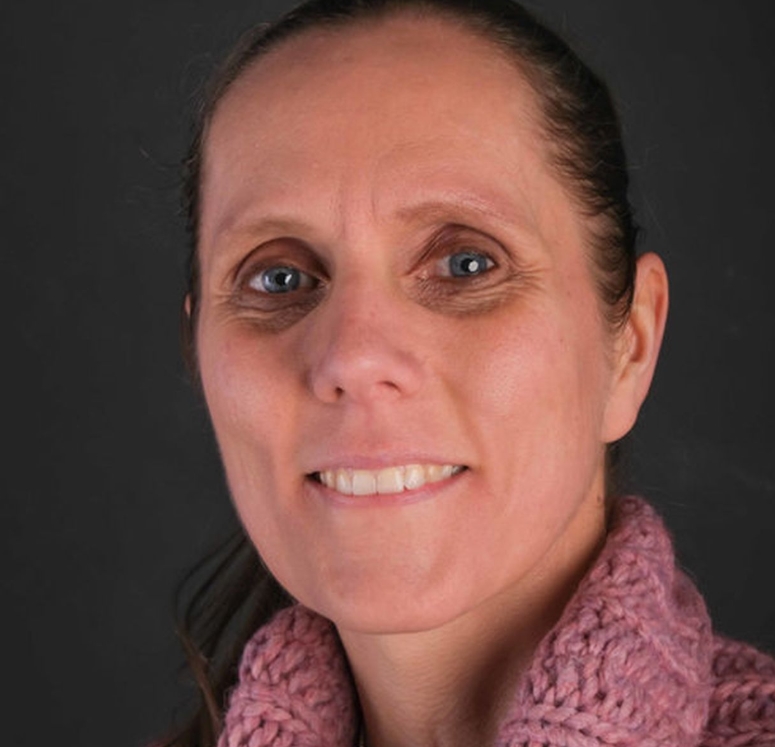
Today, Anna Bågenholm’s survival remains one of the most remarkable medical stories in history. It continues to inspire doctors, patients, and everyday people, proving that human limits are often far greater than we imagine—and that life can prevail even against the harshest odds.