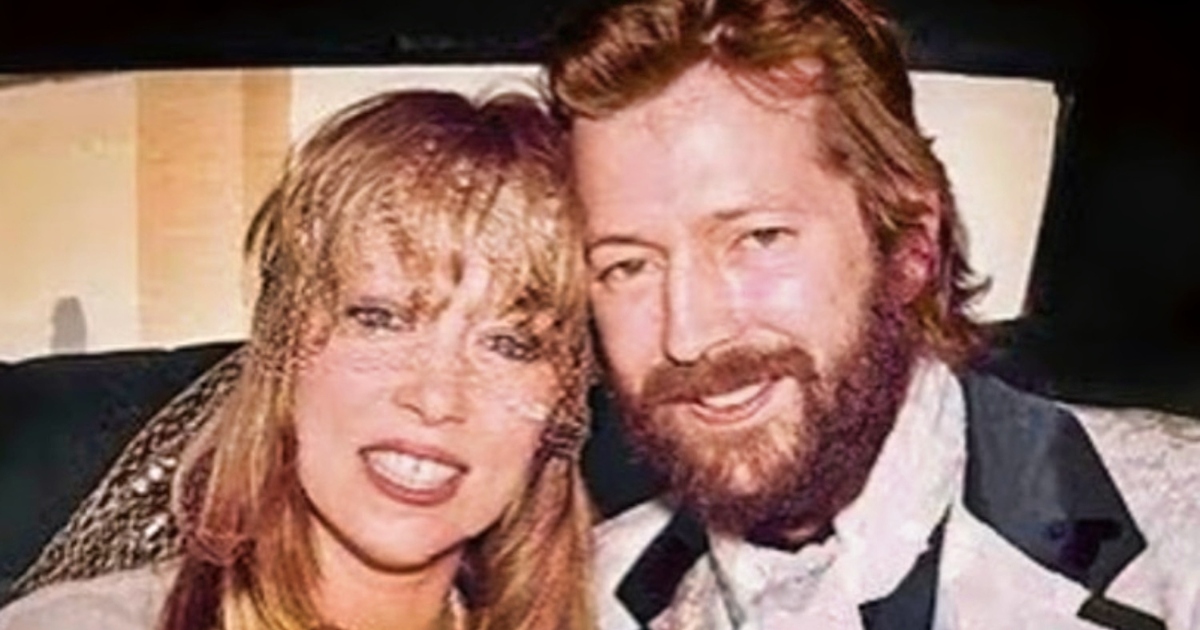
In the velvet shadows of the late-night airwaves, some stories never truly sleep. They just loop like a master tape, humming with the static of the “Swinging Sixties.” Imagine London in 1966: a neon blur of elite modeling and rock royalty, where Pattie Boyd was the sun and everyone else was just trying to stay warm. For Eric Clapton, the heat was lethal. He wasn’t just a friend of George Harrison; he was a man living in a state of unrequited longing, forced to keep a painful distance from the woman who haunted his every waking thought. It was a decade of high-octane fame, but for Eric, it was a slow-burn haunting that could only be exorcised through the wood and wire of a Stratocaster.
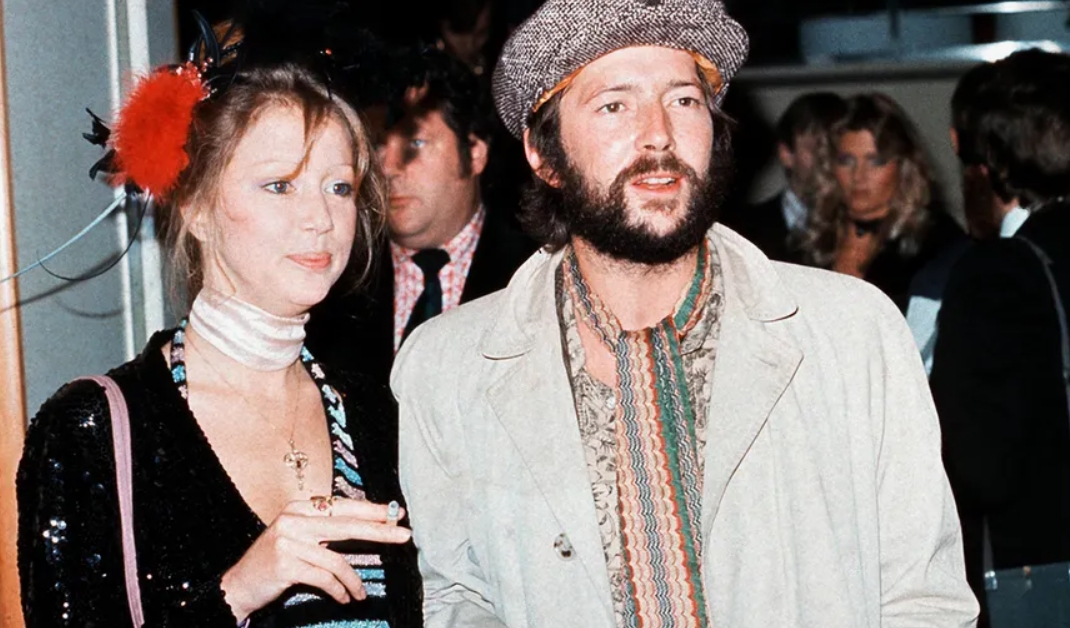
By 1970, the pressure had to blow. Under the pseudonym Derek and the Dominos, Clapton delivered Layla and Other Assorted Love Songs, a record that remains a raw, sonic confession. The title track wasn’t just a song; it was a direct, bleeding plea to Pattie, a central pillar of his living legacy that still vibrates with urgency in 2026. This was theatrical excellence in its purest form—taking a private, devastating obsession and broadcasting it to the world in a desperate attempt to be heard. He wasn’t just playing notes; he was screaming through his fingertips, hoping the frequency would finally reach her.
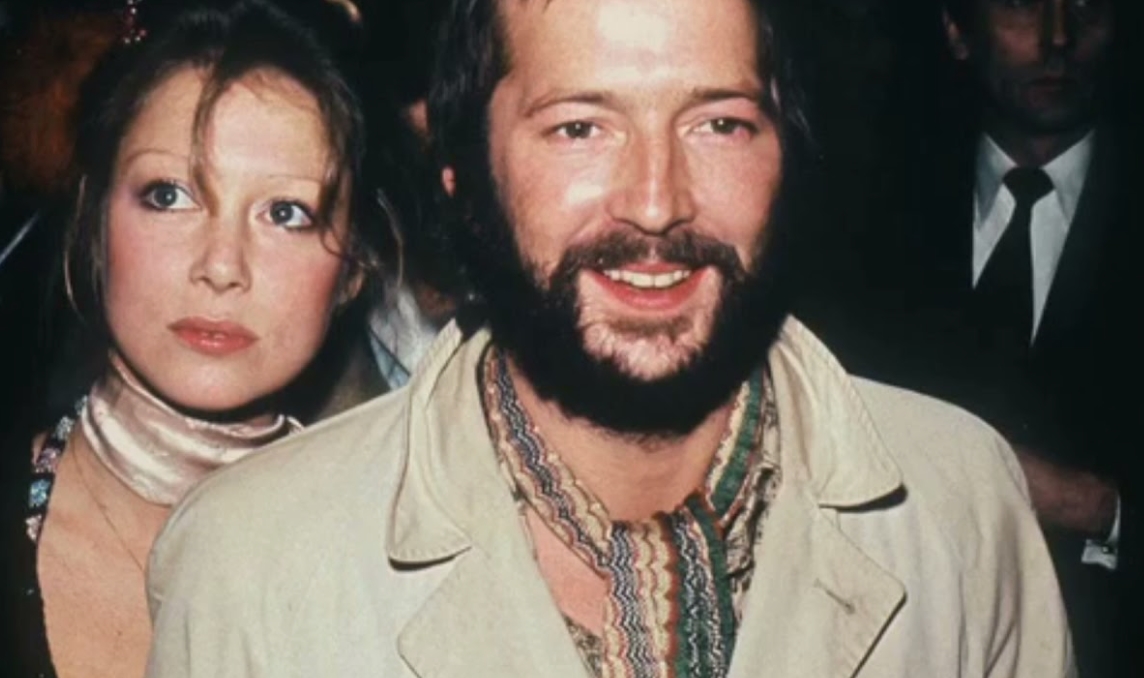
The depth of this obsession found its mirror in the 12th century. Eric had discovered the Persian poem The Story of Layla and Majnun by Nizami Ganjavi, a tale of a man driven to “madness” by a love he could never possess. Clapton saw his own reflection in those ancient verses, recognizing that his “bad break” was part of a timeless human cycle. This bridge between medieval poetry and modern rock is a testament to his longevity of talent, proving that the “Madman” (Majnun) of the desert and the guitar hero of the West were speaking the exact same language of the heart.
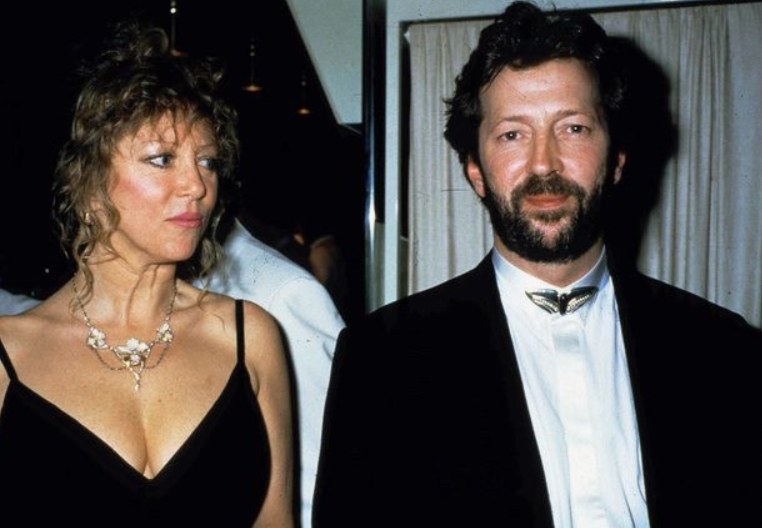
The public heartache was nearly beyond comprehension. While the world hummed the riffs to his obsession, Pattie remained married to George until 1977. Every time “Layla” played on the radio, it was a public broadcast of a private war, a high-octane tension that defined the London music scene. Eric’s ability to turn that internal wreckage into a global anthem is the ultimate proof of his artistic grit. He didn’t just survive the pining; he documented it so vividly that the listener can still feel the humidity of that Miami recording studio more than fifty years later.
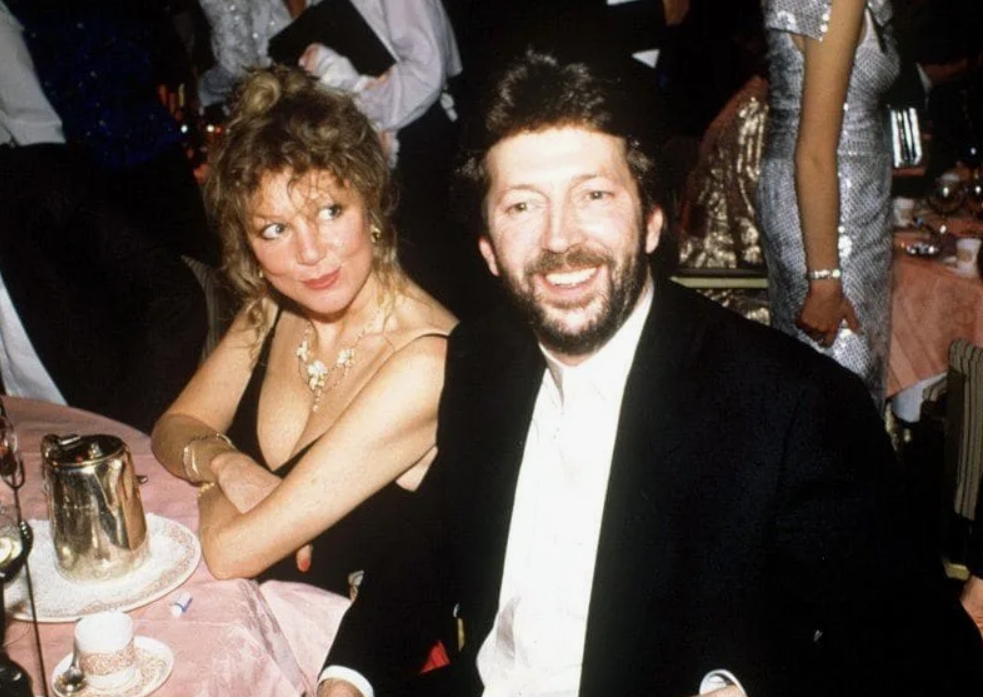
As we look back from 2026, the story feels like the ultimate rock ghost story. Though Eric and Pattie eventually married in 1979, the consensus among historians is that the “years of yearning” produced the most potent art. Pattie Boyd remains the definitive rock muse, her presence etched into every searing, overdriven slide guitar solo Eric ever recorded. The marriage eventually faded, but the music—born from the fire of not being able to have her—is the only evidence of that lightning strike that truly remains. Some ghosts, it seems, are too beautiful to ever leave the room.