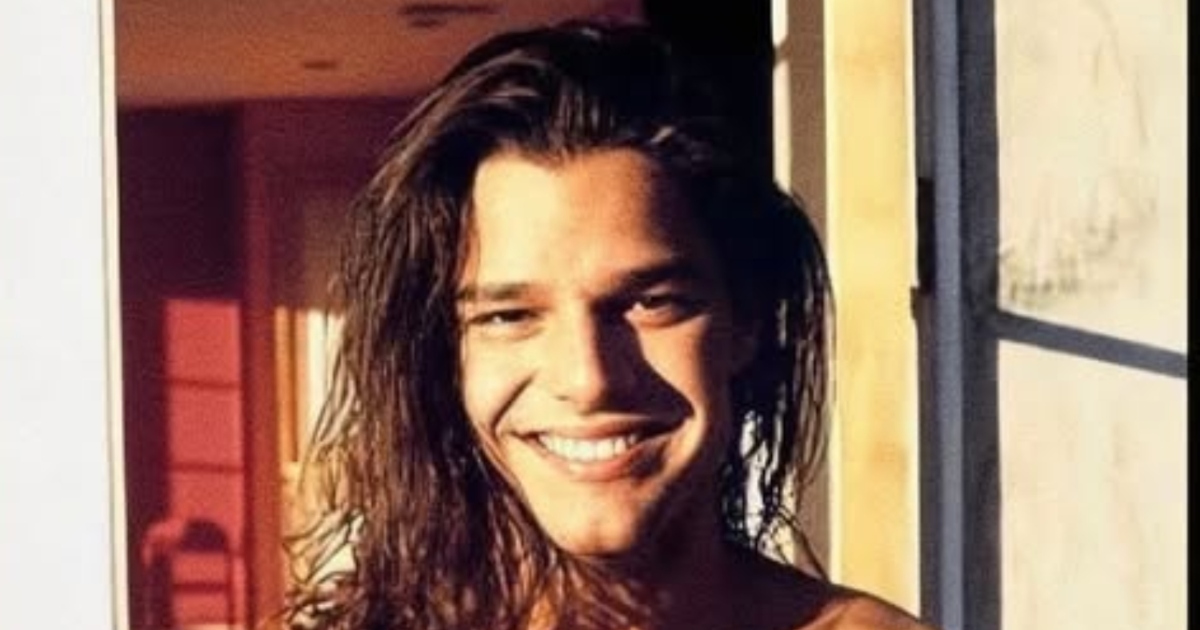
Imagine the air in 1993: it smelled like hairspray, stale coffee, and the electric ozone of a CRT television humming in a dark living room. For most of the world, Ricky Martin was still “that kid from Menudo,” a face on a faded poster. But if you were paying attention to the static, you could hear the frequency changing. The training wheels were officially off. There was this raw, kinetic energy vibrating off him—the kind that doesn’t just ask for your attention but demands it with a grin. He was stepping out from the long, choreographed shadow of a boy band and into a solo spotlight that felt, for the first time, entirely his own.
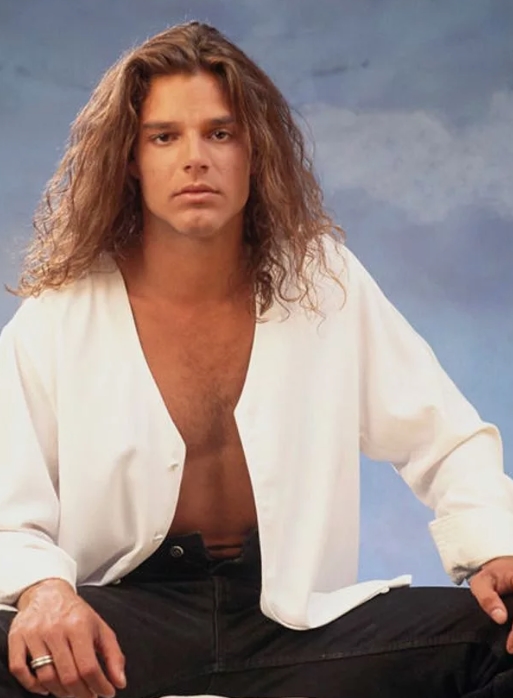
The hustle was real, and it was grueling. Picture this: by day, he’s hitting his marks on the set of General Hospital, playing Miguel Morez with a smolder that made soap opera fans drop their spoons. By night, he’s disappearing into the dim glow of a recording studio, trading scripts for song sheets. It wasn’t just about “making it”; it was about the grit of the transition. He was balancing the polished world of American daytime TV with the soulful, surging demands of his second album, Me Amarás. He was a man living in two worlds, fueled by espresso and an unshakable vision to be more than a footnote in pop history.
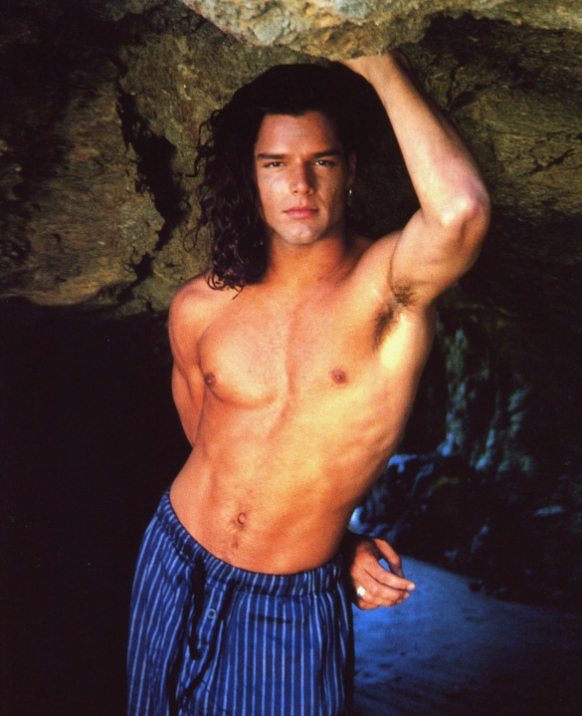
When Me Amarás finally hit the airwaves, it didn’t just play; it breathed. Working with Juan Carlos Calderón, Ricky found a frequency that was less “teen idol” and more “romantic revolutionary.” Tracks like “Que Día Es Hoy” weren’t just catchy radio fillers; they were the sound of a man discovering his own range. You could hear the evolution in the vocal layers—a certain silkiness met with a newfound emotional weight. He was leaning into the ballads, sure, but there was an underlying rhythm, a heartbeat of Puerto Rican soul that suggested he was just warming up for something much, much bigger.
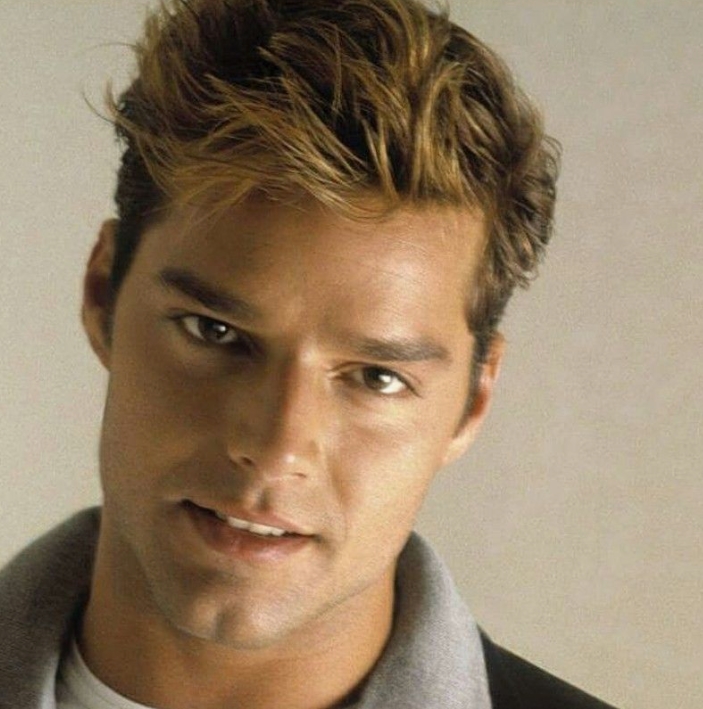
If you caught him live that year, you knew the “it factor” wasn’t a marketing myth—it was a physical force. On stage, the sweat was a badge of honor. He was refining that high-octane alchemy, blending the vulnerability of a crooner with the hip-swiveling fire of a stadium god. He’d break your heart with a verse and then mend it with a chorus that forced your feet to move. It was during these 1993 tour dates that the legend was carbon-dated; he had this uncanny ability to make a crowded arena feel like a private conversation, all while moving with a precision that felt dangerously spontaneous.
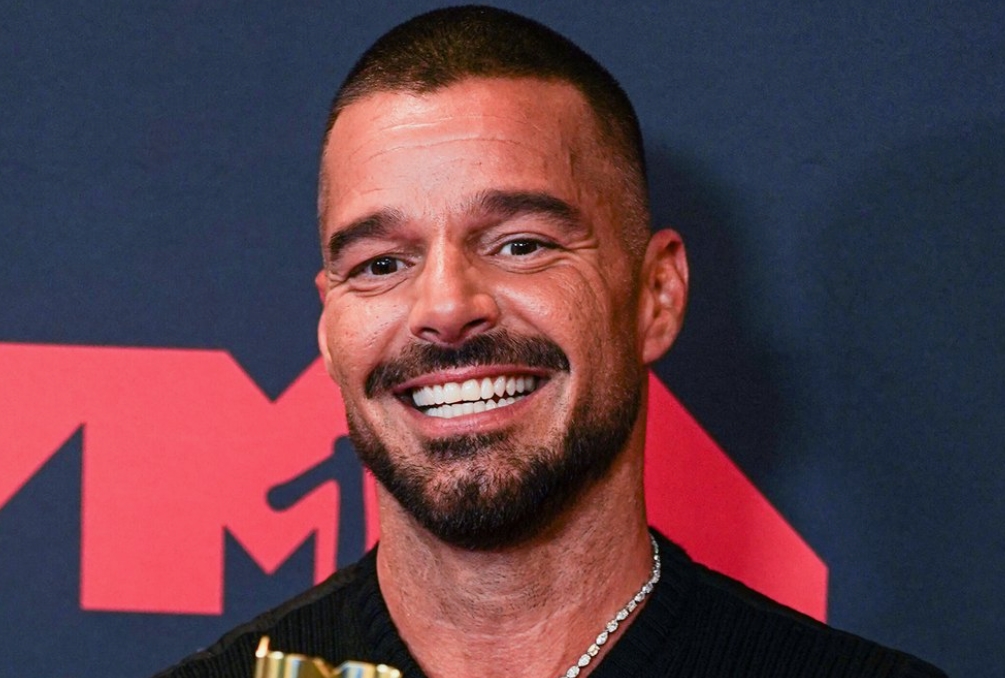
By the time the calendar flipped, the transformation was complete. The “former boy-bander” label had been stripped away, replaced by the blueprint of a global icon. 1993 was the bridge he built with his own two hands, spanning the gap between local fame and the inevitable “Latin Explosion” that would later shake the world. He proved that charisma is a universal language, one that doesn’t need a translator when the beat is right. It was the year Ricky Martin stopped chasing the music and started leading it, leaving us all wondering just how high that spotlight could actually go.