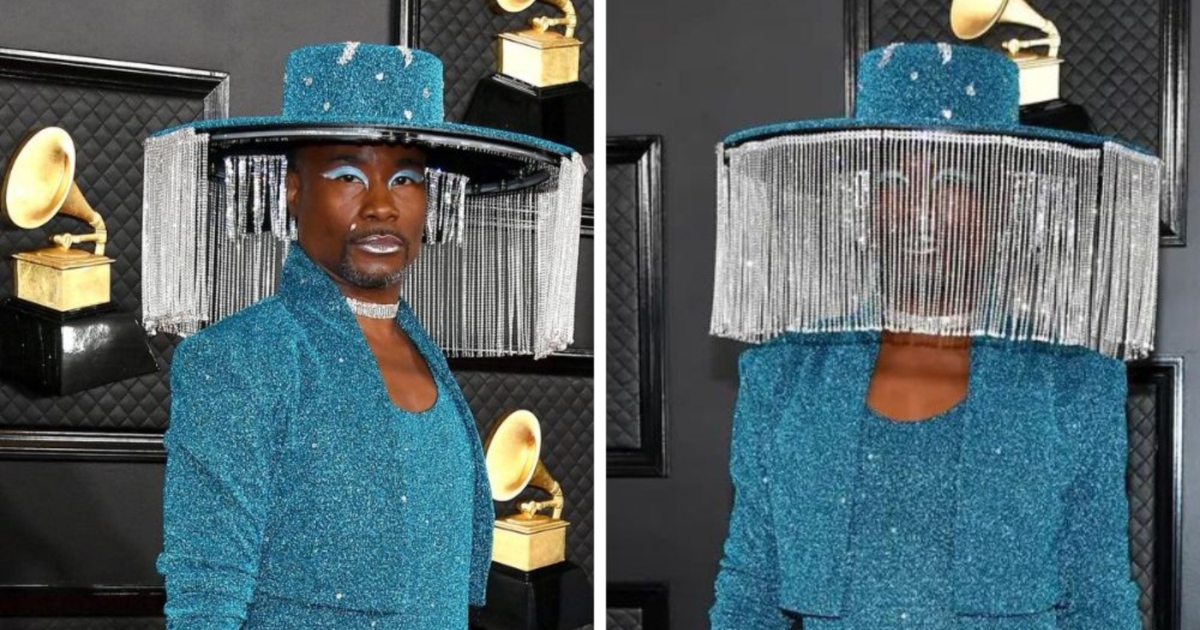
The electric atmosphere of the sixty-second annual Grammy Awards became a defining cultural landscape when Billy Porter solidified his status as a certified fashion icon with a breathtaking, deeply theatrical appearance. Turning the prestigious music event into his personal runway, the actor and singer consistently shattered traditional red-carpet norms to captivate a global audience watching from every corner of the world. This boundary-pushing moment functioned not as an act of mere attention-seeking vanity, but as a deliberate, architectural intervention designed to rewrite the historical rules of Hollywood presence. By stepping onto the floor with an unscripted authority, he initiated a sharp transition from the passive, hyper-curated expectations of a standard awards ceremony to an environment where the physical presence of an artist actively alters the geometry of the room.
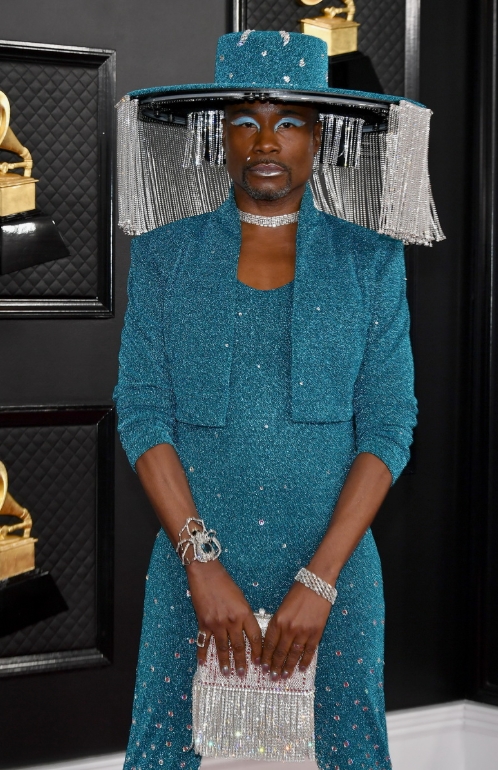
The shimmering geometry of his show-stopping look centered on a custom-designed, dazzling blue jumpsuit created by the luxury fashion brand Baja East. This brilliant, crystal-encrusted garment featured wide-leg trousers and a coordinating cropped jacket that shimmered beautifully under the venue’s flashing lights, capturing the collective gaze of the industry. Under the creative direction of designer Scott Studenberg, the meticulously tailored ensemble operated as an unscripted manifesto of high-glamour, gender-fluid sophistication that demands space rather than asking for permission. The garment draped over his silhouette with an easy, fluid power, challenging the rigid styling blueprints of the past and establishing a new aesthetic benchmark that favored individual sovereignty over the boring, safe choices that usually dominate mainstream award shows.
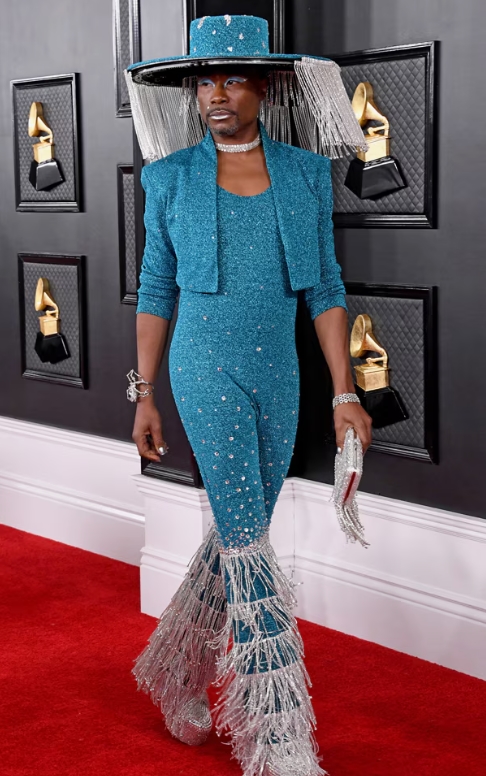
The revolutionary element that truly stole the entire night was his high-tech headwear, a custom-made, wide-brimmed hat designed by Sarah Sokol Millinery featuring an automated, mechanical fringe. The high-tech accessory was lined with a curtain of silver crystals that draped over his face, acting as a glamorous, glittering shield. There was profound poetry in the quiet whir of a tiny motor as a simple remote control parted the crystal fringe on demand, revealing the star’s dramatic, metallic makeup beneath entirely on his own terms. This interactive mechanism allowed the performer to dictate the exact moment of his exposure, transforming the act of being photographed into a deliberate choice and giving him complete control over his own image in front of a hyper-visible global lens.
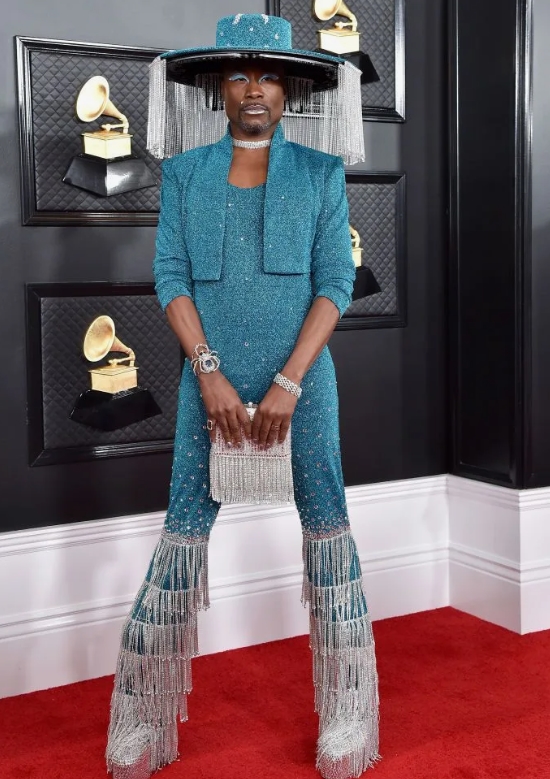
This mechanical headwear quickly became a massive viral sensation across social media platforms, inspiring countless memes and widespread praise from fashion critics worldwide who recognized the shift in the culture. The seamless integration of technology and haute couture elevated the concept of red-carpet dressing into a true form of interactive art, moving past the shallow currency of internet popularity into a deeper space of artistic commentary. By transforming a static accessory into a dynamic performance piece, the design team forced the collective consciousness to reckon with a completely new definition of showmanship. It proved that in the digital age, a red-carpet walk can become a living sculpture, utilizing the viral machinery of the internet to broadcast an unpolished human truth far beyond the walls of the venue.
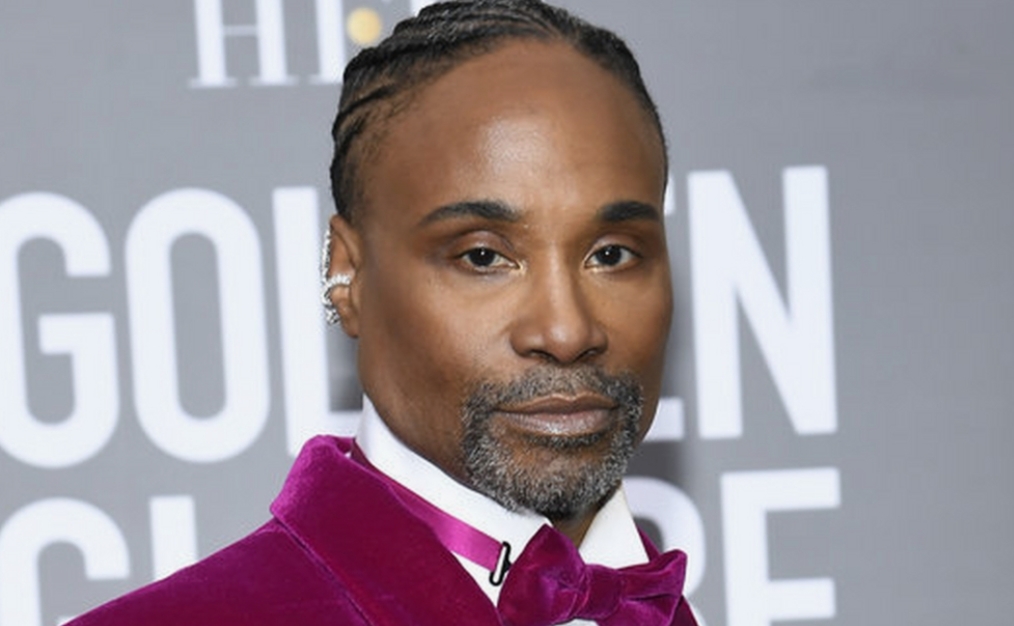
Ultimately, this legendary appearance reminded the entertainment world of the profound, unfiltered power of self-expression when backed by genuine artistic intent. He used this high-profile platform not just to showcase a beautiful design, but to boldly challenge the rigid, historical expectations of masculinity that have long restricted Hollywood performers. Long after the final awards were handed out and the lights were turned down, his motorized crystal hat and glittering blue jumpsuit remained the definitive talking point of the evening. His performance demonstrated that true star power lies in the steady, courageous rhythm of a person who defines his own reality, proving that the most lasting style statements are those that break the existing horizon to claim a permanent space in history.