
Imagine being a teenager at Yale, balancing Ivy League midterms with the fact that your face is currently plastered on every billboard from New York to Tokyo. That was 1983 for Jennifer Beals. Celebrating her 62nd birthday today, she remains a luminous reminder that you can be the “it-girl” of a decade and still possess the intellectual grit to reinvent yourself a thousand times over.
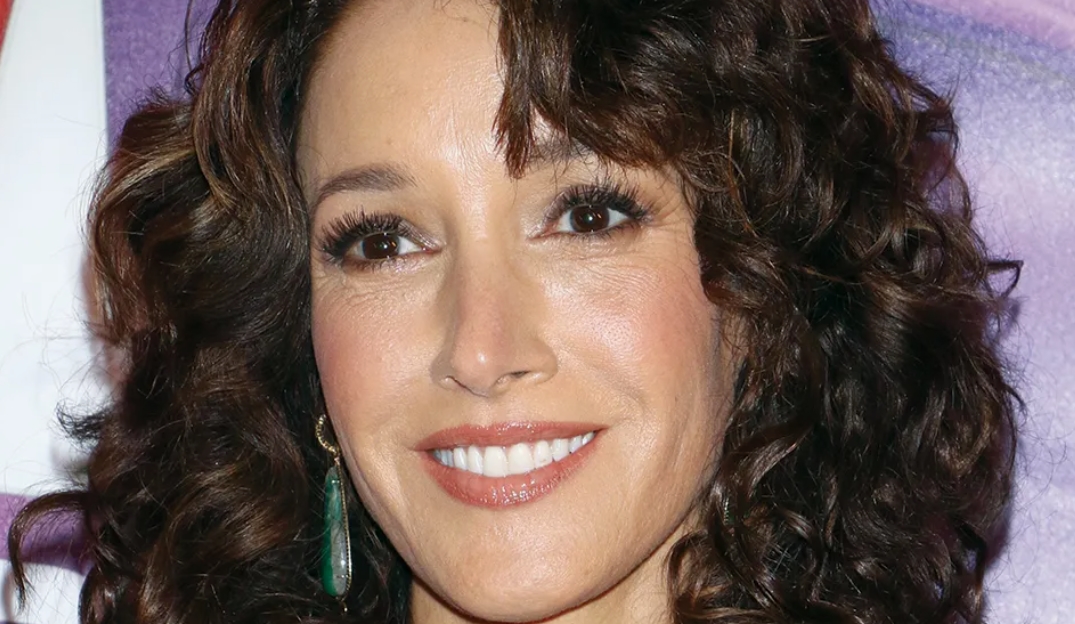
When Flashdance hit, it wasn’t just a movie; it was a cultural wildfire. As Alex Owens, the welder-turned-dancer, Jennifer ignited a movement. She made us believe in the “power of motion”—that gritty, working-class dream of dancing your way out of the steel mills.
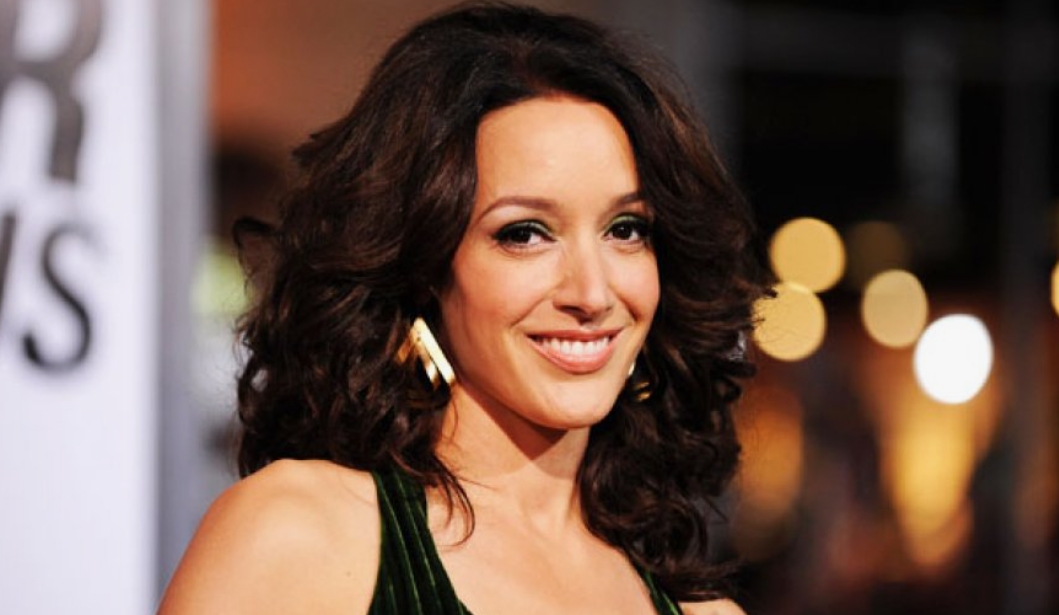
That role demanded an extraordinary level of athletic discipline, blending physiological peak performance with raw, psychological vulnerability. She didn’t just give us a hit song; she gave us the iconic off-the-shoulder sweatshirt, effectively merging athletic wear and high fashion decades before “athleisure” became a billion-dollar industry.

But Jennifer refused to be a 1980s time capsule. Her most audacious “leap” was moving toward the sophisticated, nuanced world of independent cinema and groundbreaking TV. In 2004, she became Bette Porter in The L Word. As the high-powered, perfectionist art gallery director, she provided a revolutionary portrayal of identity and ambition. It was a pivotal moment in the “Golden Age of Television,” offering a level of LGBTQ+ representation that simply hadn’t existed in the mainstream.
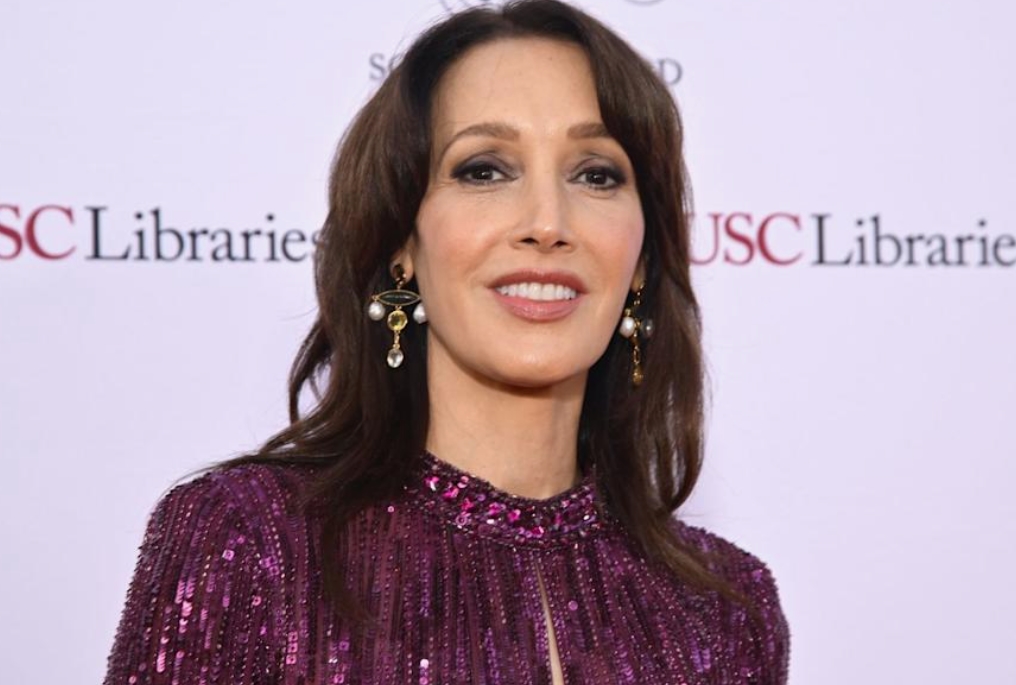
Today, Jennifer Beals is a seasoned veteran who still carries the fire of that 19-year-old dancer. From Pittsburgh steel mills to sleek L.A. galleries, her journey is a masterclass in artistic integrity. She reminds us that true stardom isn’t a single spark—it’s the resilience to keep burning for over four decades.