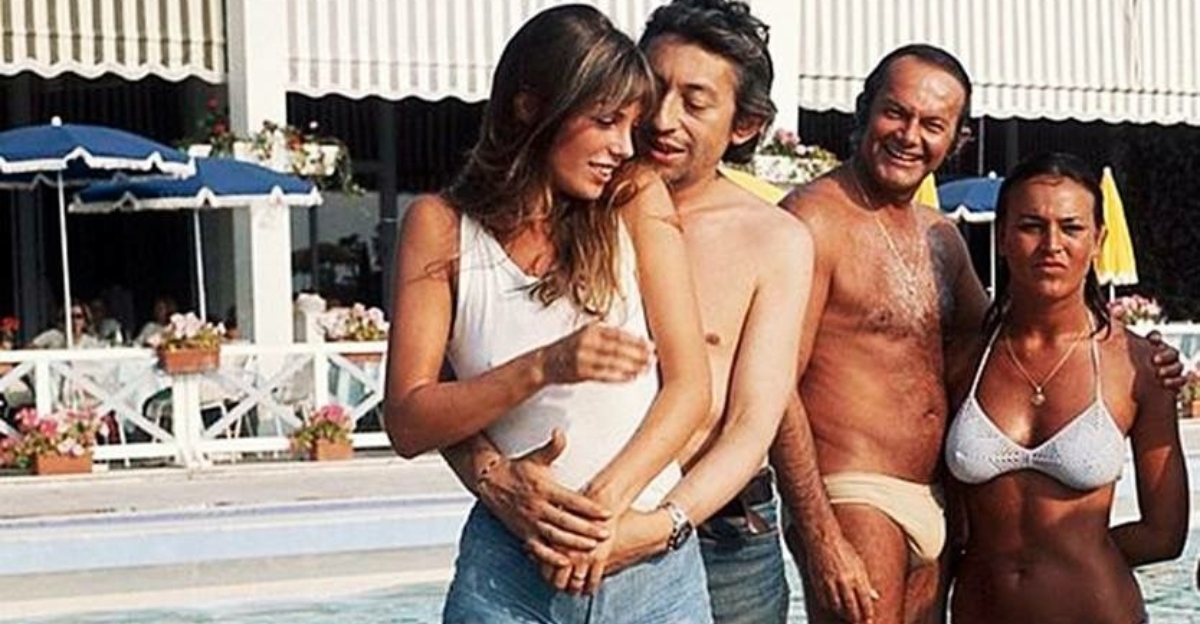
The late 60s and 70s didn’t just happen; they felt like a long, slow exhale. Imagine the air thick with the sharp, sweet tang of Gitanes cigarettes and the hazy golden light of a Parisian afternoon. It was an era that discarded the starch of the past for something far more tangible—the grit of unstyled hair, the raw texture of velvet against skin, and a sense of liberation that vibrated in the streets. You could feel the shift in the breeze, a quiet rebellion against the polished perfection of the fifties, replaced by a yearning for something real, something that didn’t mind being a little bit messy.
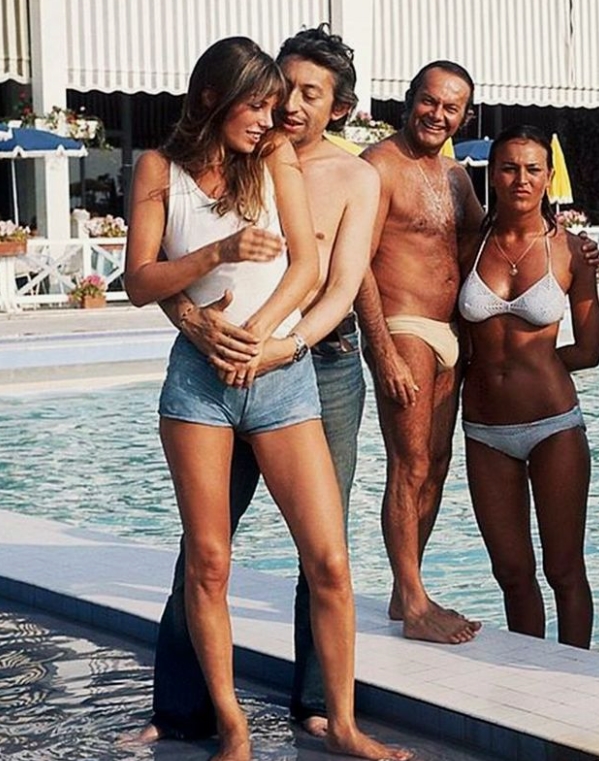
Then came Jane and Serge—not as a curated celebrity couple, but as a messy, beautiful human collision. It wasn’t a romance so much as a living, breathing art project. Jane brought a sort of wide-eyed British whimsy, and Serge provided the smoke-filled, intellectual edge of Paris. When they met, it felt like two jagged pieces of glass finding a perfect, dangerous fit. Their dynamic was never about keeping things neat; it was about navigating the raw intensity of loving someone who mirrors your own contradictions, making the rest of the world feel like a distant, irrelevant noise.
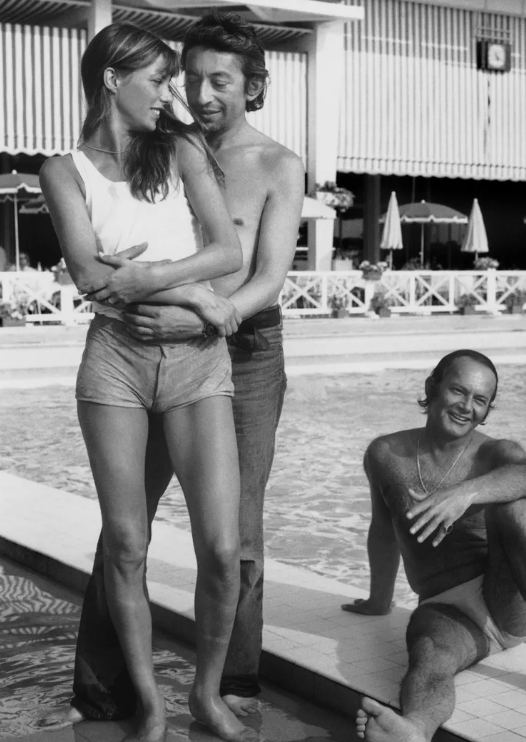
And then, there was that song. You know the one—it still feels like a secret we aren’t supposed to be hearing. “Je t’aime… moi non plus” wasn’t just a track; it was a vibration. Listening to it is like standing behind a door, hearing a conversation that was never meant for the public. The breathy, jagged intimacy of their voices pulled you into their orbit, making you feel like an intruder in their private, fragile world. It was soft, it was provocative, and it was undeniably human, turning a moment of extreme vulnerability into a global fever dream that defied the censors.
Their style? It was the art of being effortlessly undone. Jane with her iconic basket bag, simple white tees, and that hair that looked like she’d just woken up from a vivid dream; Serge with his rumpled jackets and that perpetually disheveled magnetism. It wasn’t fashion—it was a philosophy of comfort. They gave us a uniform for authenticity, proving that you didn’t need to try so hard to be noticed. Their nonchalance was their greatest power, a silent rejection of the rigid rules that everyone else seemed so desperate to follow.
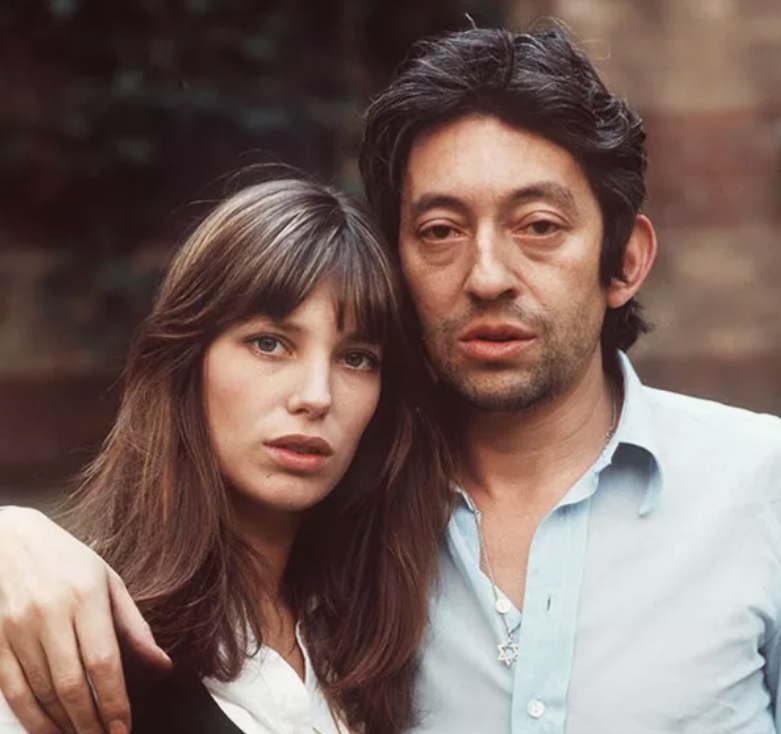
I think we are still obsessed because they gave us permission to be perfectly imperfect. We look back at them, these two flawed, luminous spirits, and we see a mirror of what we want for ourselves: a life lived without the safety net of approval. They were a testament to the idea that beauty isn’t found in the polished edges, but in the cracks and the smoke and the lingering intensity of a life truly felt. They weren’t just icons; they were proof that you could exist on your own terms, and that maybe, just maybe, that is enough to make history.