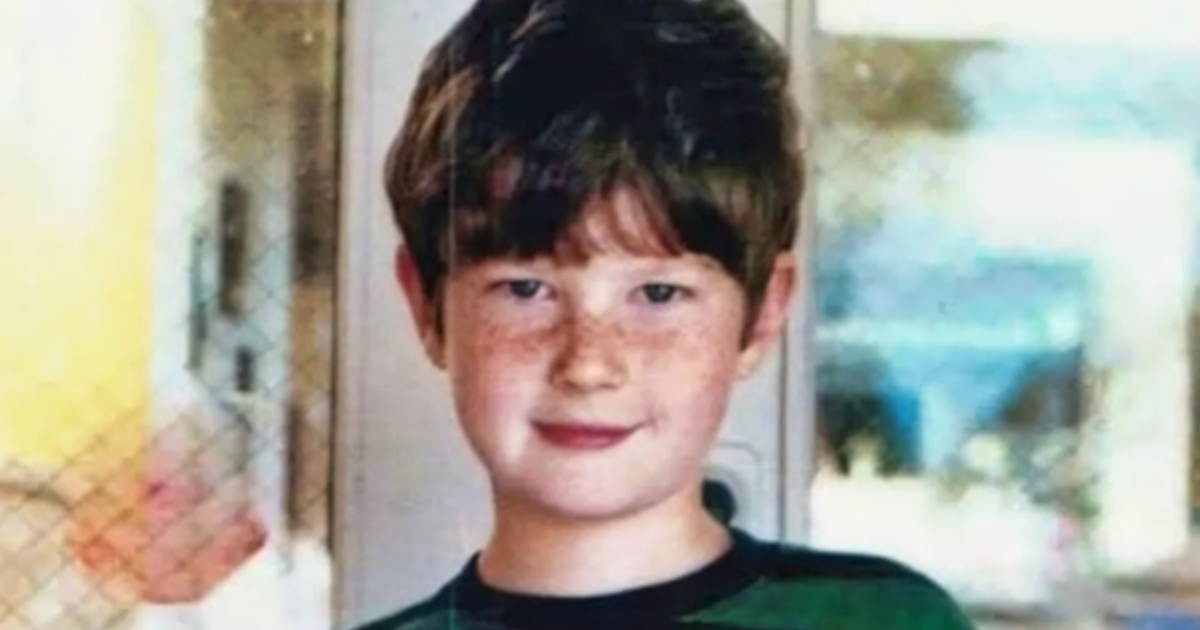
In September 1994, seven-year-old Nicholas Green, an American boy on holiday in Calabria, Italy, was tragically killed when his family’s car was mistakenly targeted during a robbery. Nicholas, asleep in the back seat, was struck and rushed to a hospital, but he slipped into a coma and passed away the following day. The sudden loss devastated his parents, Margaret and Reginald Green, and their daughter Eleanor.
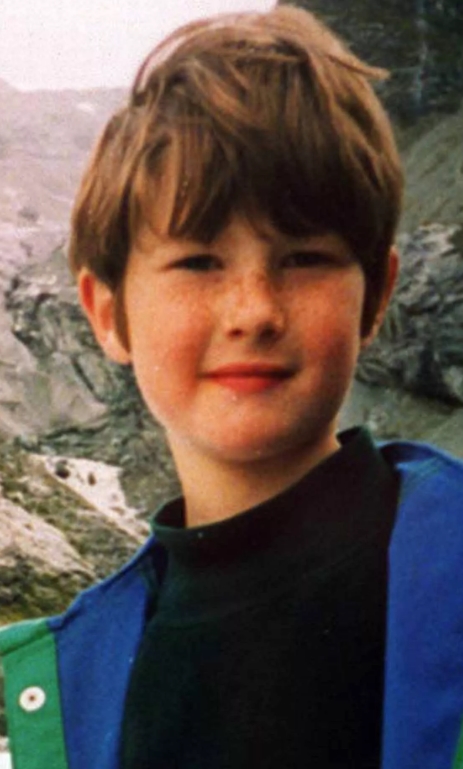
Amid unimaginable grief, Nicholas’s parents made an extraordinary decision: they donated his organs, giving life to seven people in desperate need. His heart, kidneys, liver, pancreas, and corneas saved four teenagers and three adults, including a young boy in need of a heart transplant, two teens spared long-term dialysis, a diabetic woman restored her pancreas function, a mother received a new liver, and two people regained sight. Their selfless act turned unbearable tragedy into hope, healing, and second chances for others.
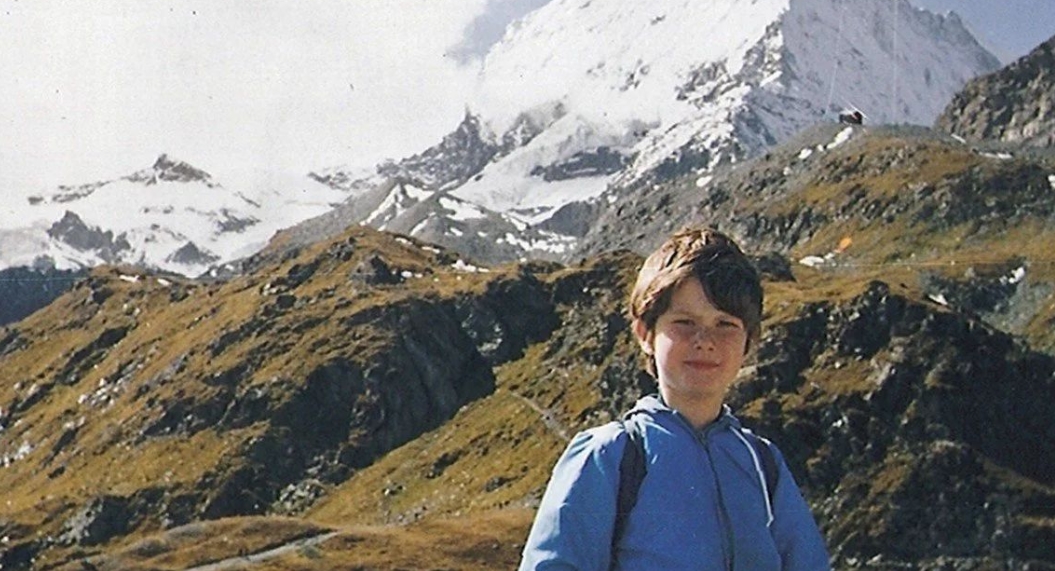
The ripple effect of this decision was profound. Italy, shocked by the death of an innocent child and inspired by the Greens’ compassion, saw a dramatic surge in organ donation consent. In the following decade, the country’s organ donation rates tripled—a phenomenon now called “The Nicholas Effect.” Nicholas’s altruism reshaped public perception, showing how even the smallest life can leave a monumental legacy.
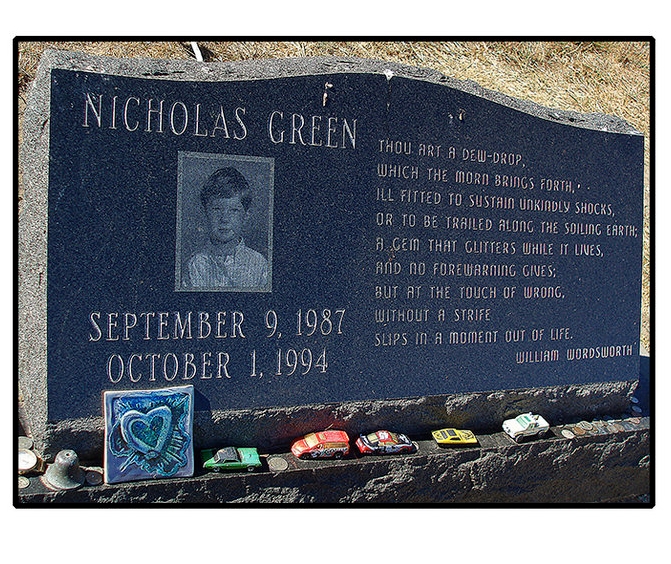
Over the years, the recipients’ lives flourished thanks to Nicholas. Andrea Mongiardo, who received Nicholas’s heart at age 15, lived decades longer, while others pursued education, careers, and families, often naming children in honor of Nicholas. His gift became a lasting symbol of hope, courage, and the transformative power of generosity.
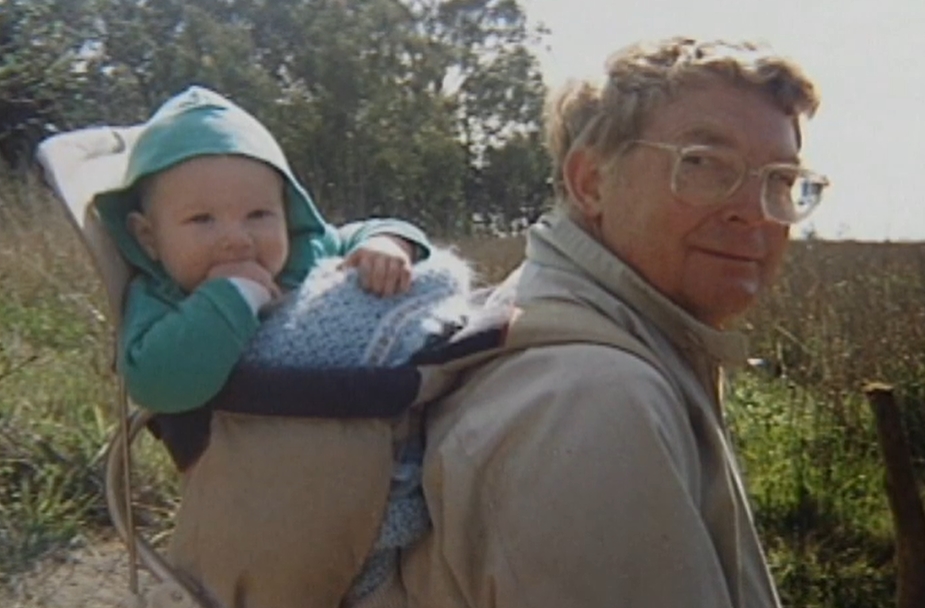
Nicholas Green’s story reminds us that even in the darkest moments, selfless actions can create light. Through the heartbreaking loss of a child, Margaret and Reginald showed that love can extend beyond life itself, saving lives, inspiring nations, and leaving an enduring legacy of compassion, courage, and hope for generations to come.