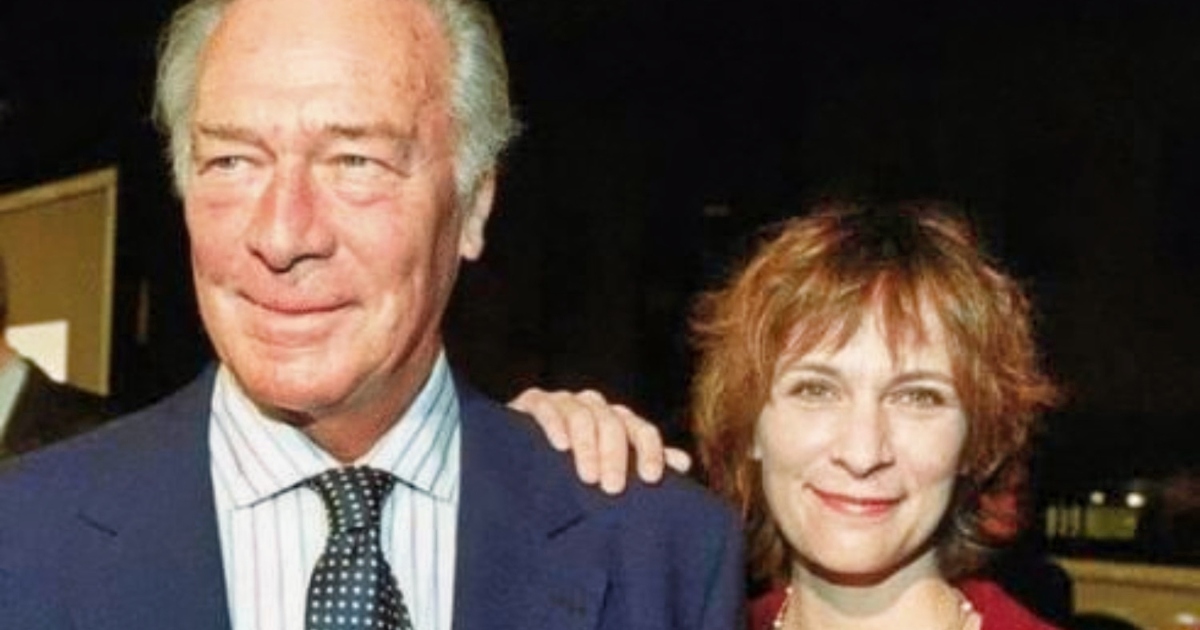
On March 23, 2026, the cinematic underground paused to salute a birthday that feels less like a milestone and more like a manifesto. Amanda Plummer turned 69, and in a town obsessed with symmetry and safe choices, she remains the most glorious kind of trouble. While she was born into a formidable artistic pedigree as the daughter of Christopher Plummer and Tammy Grimes, she famously torched the typical starlet path before she even stepped onto a red carpet. Her longevity of talent isn’t built on playing the ingenue; it’s built on a fierce, jagged commitment to the outsiders, the grifters, and the broken-hearted dreamers who haunt the edges of the frame.
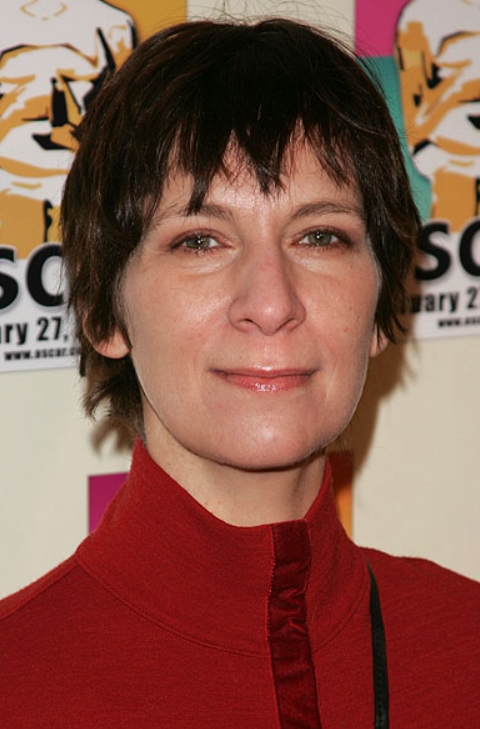
Her 1980s run was a masterclass in raw, unvarnished grit. From the dusty rebellion of Cattle Annie and Little Britches to the haunting, silent depth she brought to The World According to Garp alongside Robin Williams, Plummer proved she was the best kind of unpredictable. She possessed a camera-ready intensity that didn’t just demand attention—it hijacked it. This was the era where her theatrical excellence became impossible to ignore, establishing her as a performer who could find the soulful center of even the most eccentric characters without ever leaning on her famous last name for leverage.
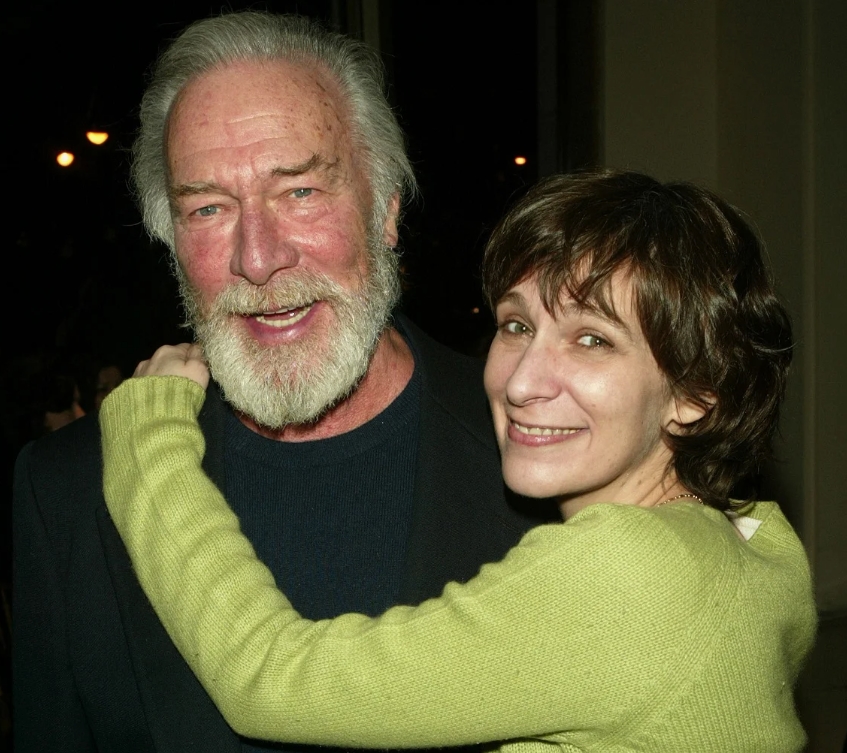
The industry eventually caught up to her brilliance, leading to a decorated history with three Primetime Emmy wins. From the heartbreaking Miss Rose White to her chilling, skin-crawling guest turn on Law & Order: SVU, these were strategic choices that prioritized psychological complexity over easy paychecks. This is her living legacy—a career constructed out of substance and shadows. She navigated the unexpected challenges of the industry by becoming its most reliable chameleon, a woman who understood that a “quiet weight” of truth is more powerful than any glossy, commercial appeal.
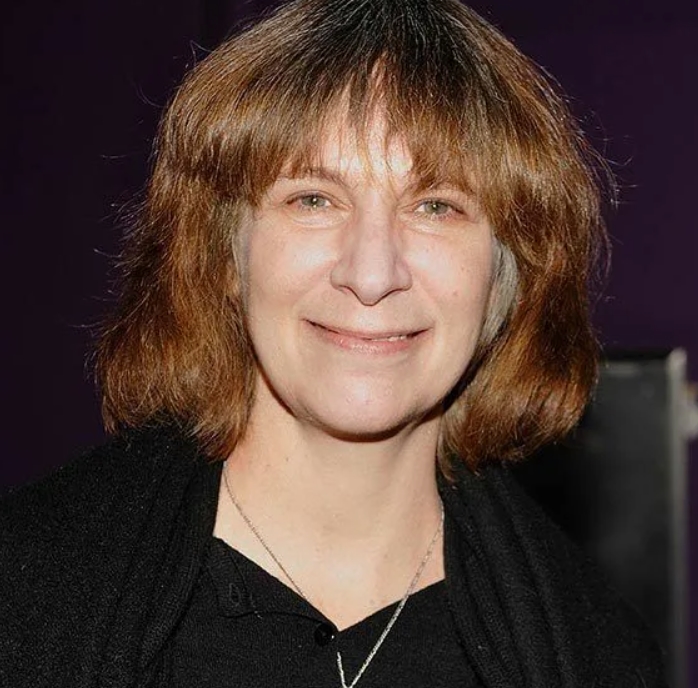
Then came 1994, and the lightning strike of “Honey Bunny.” In the opening moments of Pulp Fiction, Plummer delivered a volatile mix of vulnerability and explosive unpredictability that became a definitive scar on the face of pop culture. It was a powerhouse moment that proved she could bridge the gap between gritty arthouse dramas and global blockbusters like The Hunger Games: Catching Fire. She has always been the outsider within, a performer who can hold a massive franchise together with the same electric, slightly dangerous spark she brings to a black-box theater production.

As we look back in 2026, Amanda Plummer remains the ultimate proof that you can be Hollywood royalty while maintaining a fiercely independent spirit. She hasn’t just survived the industry; she has haunted it with a miraculous spark that refuses to be dimmed or categorized. She is celebrated today for the courage to stay on the edge, reminding us that the most enduring stars are the ones who aren’t afraid of a little jagged intensity. The unconventional remains her greatest strength, and in a world of polished replicas, her raw authenticity is the only thing that truly matters.