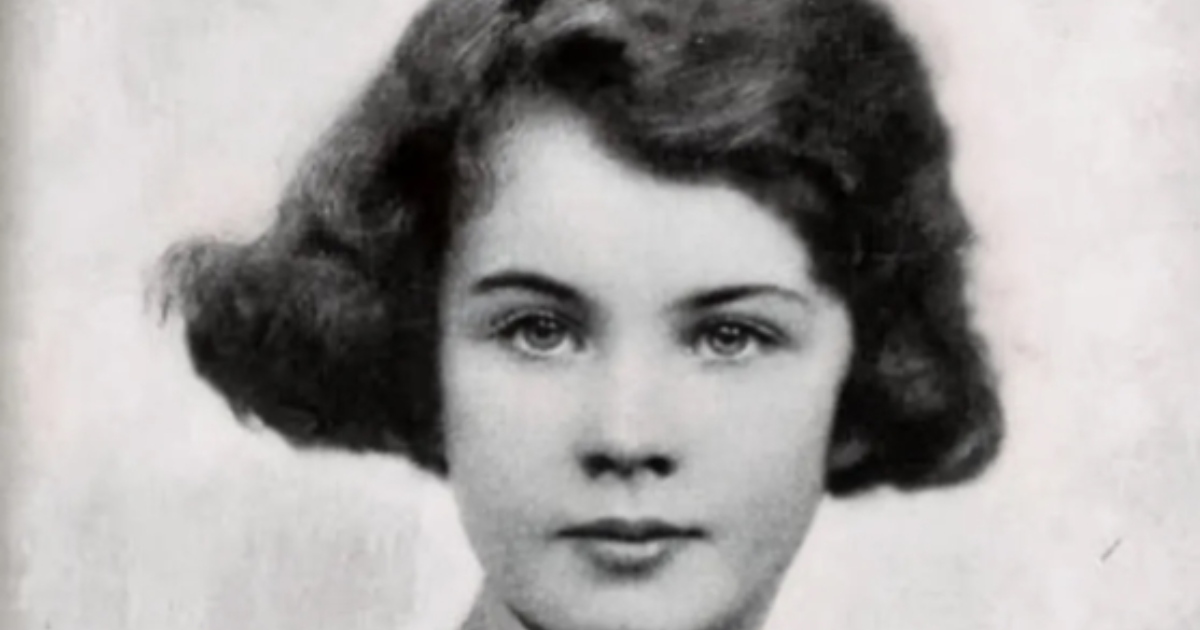
Vivien Leigh remains one of cinema’s most magnetic and enigmatic icons—a woman whose very presence seemed to alter the air around her. Born in 1913 in Darjeeling, India, she carried with her an uncommon blend of beauty, intelligence, and emotional depth that distinguished her even in Hollywood’s most dazzling era. With eyes that held both fire and fragility, and a voice that could slice or soothe with equal power, she rose from the colonial hills of India to become one of the most unforgettable figures of the Golden Age.

Her ascent to legend began with a role that millions dreamed of but only one could embody: Scarlett O’Hara. Gone with the Wind (1939) launched an international search for the actress who could bring the tempestuous heroine to life—thousands auditioned, but none ignited the screen like Vivien Leigh. Her Scarlett was fierce, vain, vulnerable, and irresistibly alive. Leigh didn’t just play the role; she consumed it, and in return, it crowned her with her first Academy Award and ensured her place in cinematic immortality.
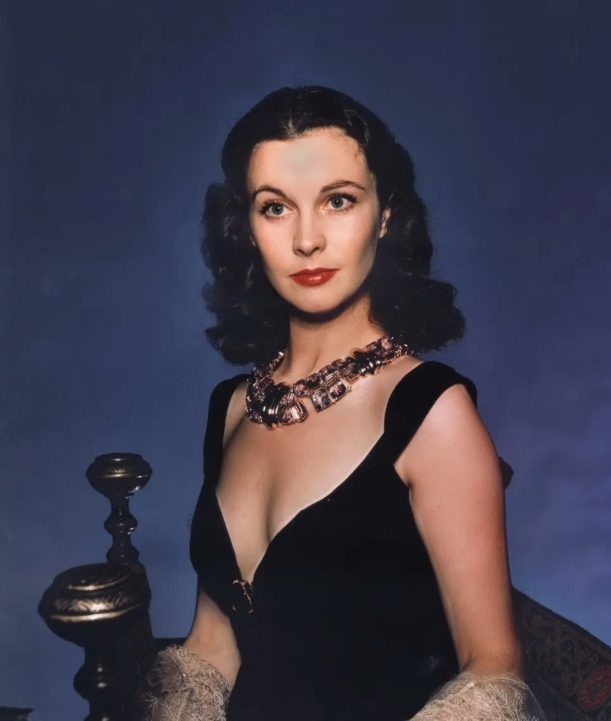
A decade later, she delivered another towering performance as Blanche DuBois in A Streetcar Named Desire (1951). Fragile, delusional, heartbreakingly human—her Blanche revealed a psychological complexity few actors had ever dared to attempt. That portrayal earned her a second Oscar and remains one of the most haunting performances in film history, a portrait of a woman unraveling with such authenticity that audiences felt every fracture.
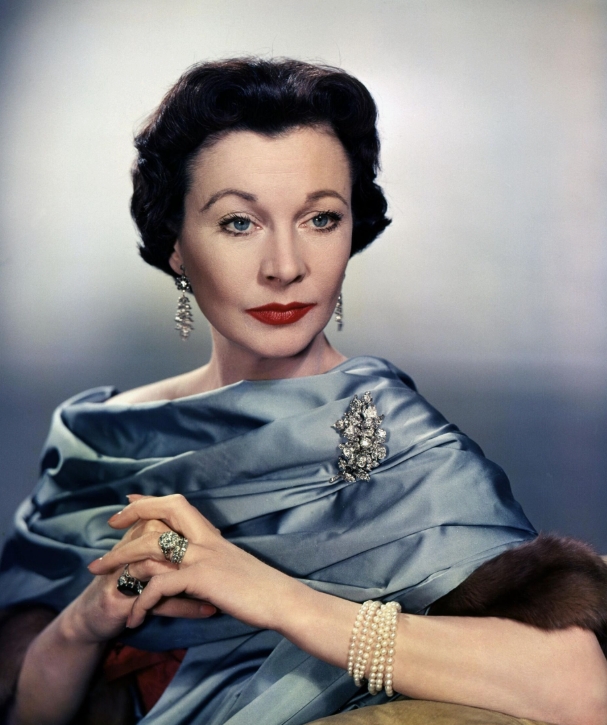
Yet Hollywood was only one part of her artistic soul. Leigh’s devotion to the theatre—and to her creative partnership with Laurence Olivier—became the defining force of her career. Together they conquered stages across the world, performing Shakespeare with a rare electricity that left audiences breathless. As Cleopatra, Lady Macbeth, and Viola, she delivered performances marked by extraordinary intensity, pushing herself to emotional and physical extremes in pursuit of artistic truth.
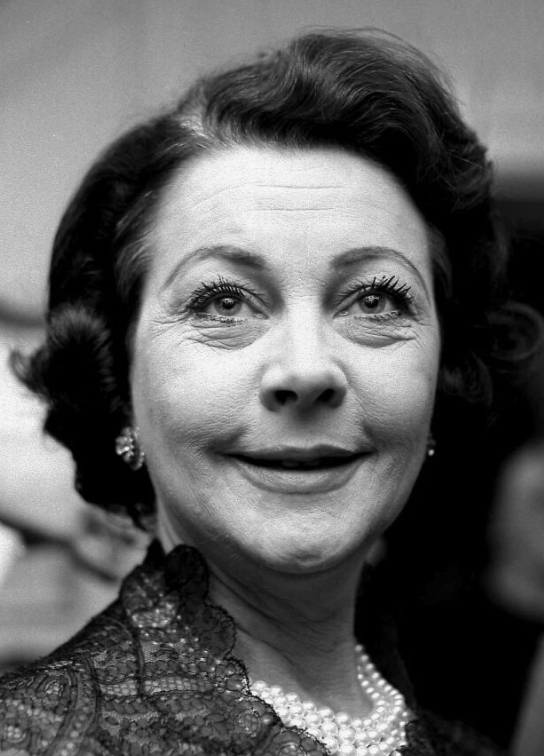
Behind the luminous façade, however, Vivien Leigh fought a private battle that few understood. Her struggle with bipolar disorder shaped much of her life, deepening the fractures within her marriage and adding strain to a career lived under unrelenting scrutiny. Yet even in her darkest moments, she remained committed to her craft—returning to the stage again and again with a resilience that only deepened the poignancy of her brilliance.
Vivien Leigh’s legacy endures in every frame she touched: timeless, elegant, emotionally seismic. She wasn’t merely a star—she was an artist whose light burned fiercely, illuminating the heights and the heartbreak of a life lived passionately. Though gone too soon, her flame still flickers across screens and stages, untouched by time, forever unforgettable.