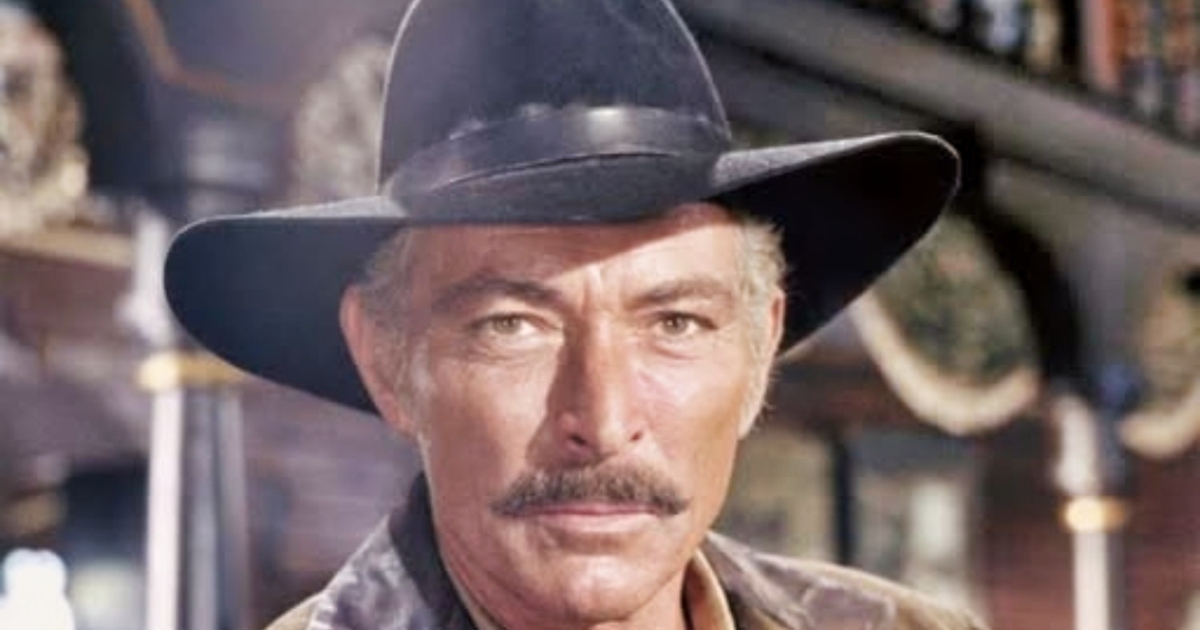
Lee Van Cleef was one of cinema’s most unmistakable and commanding figures, a screen presence defined by razor-sharp features, a steely gaze, and a quiet intensity that could dominate a scene without a single word. Born in 1925 in Somerville, New Jersey, he became a defining face of the Western genre, carving out a legacy that spans classic Hollywood and the explosive rise of the Spaghetti Western.
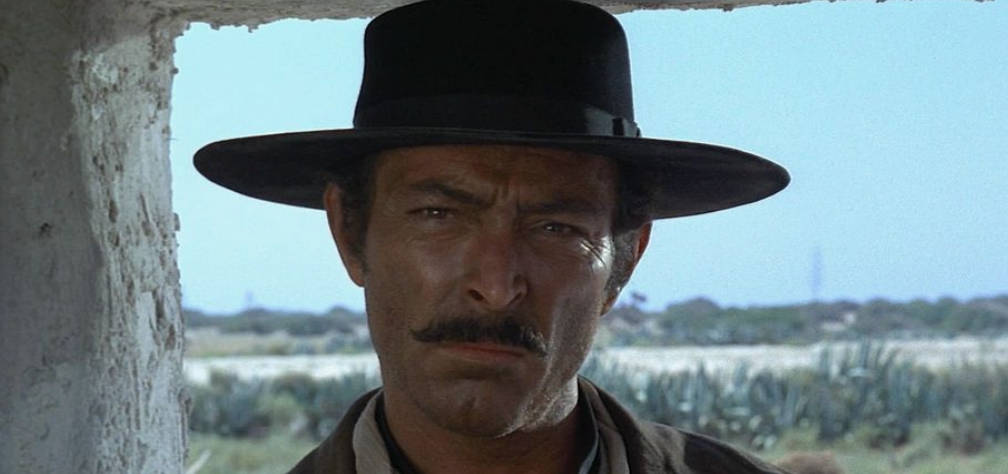
He began his career in the early 1950s, often cast in supporting roles as villains or hard-edged gunslingers. Even with limited screen time in films like High Noon and The Man Who Shot Liberty Valance, Van Cleef left a powerful impression. His minimalist acting style—built on stillness, timing, and menace—made him unforgettable, proving that presence could be more powerful than dialogue.
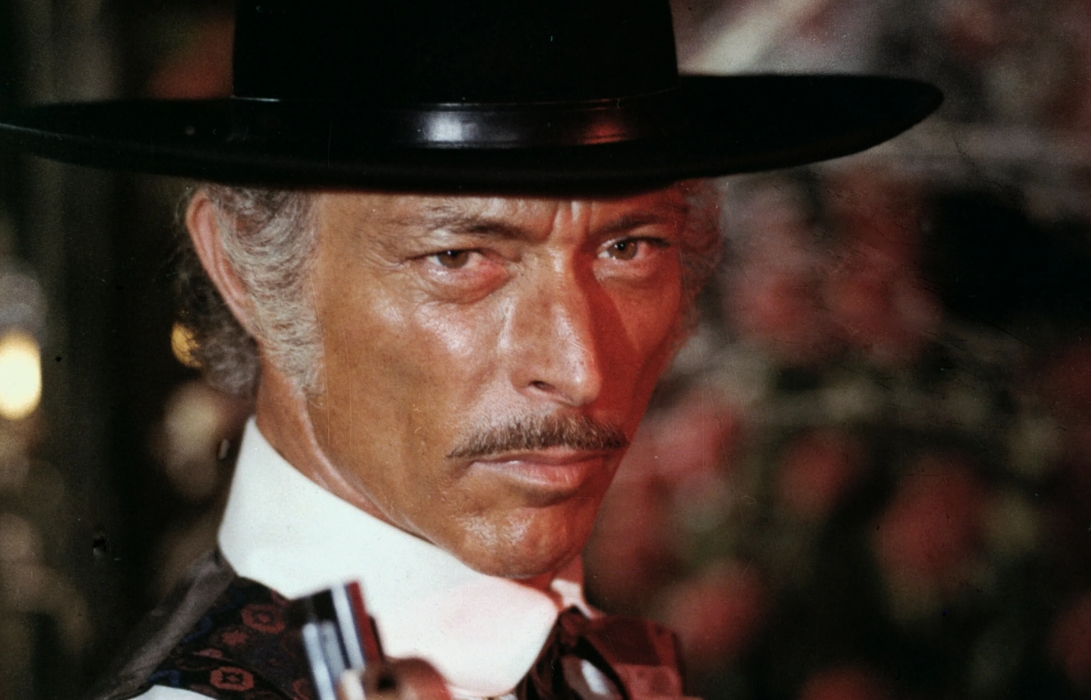
After a serious injury stalled his Hollywood career, Van Cleef found a second life in Italian cinema. His renaissance came with Sergio Leone’s For a Few Dollars More, where he delivered an iconic performance as Colonel Douglas Mortimer. Cool, calculating, and morally complex, Mortimer transformed Van Cleef from a familiar supporting heavy into an international star and redefined what a Western hero could be.
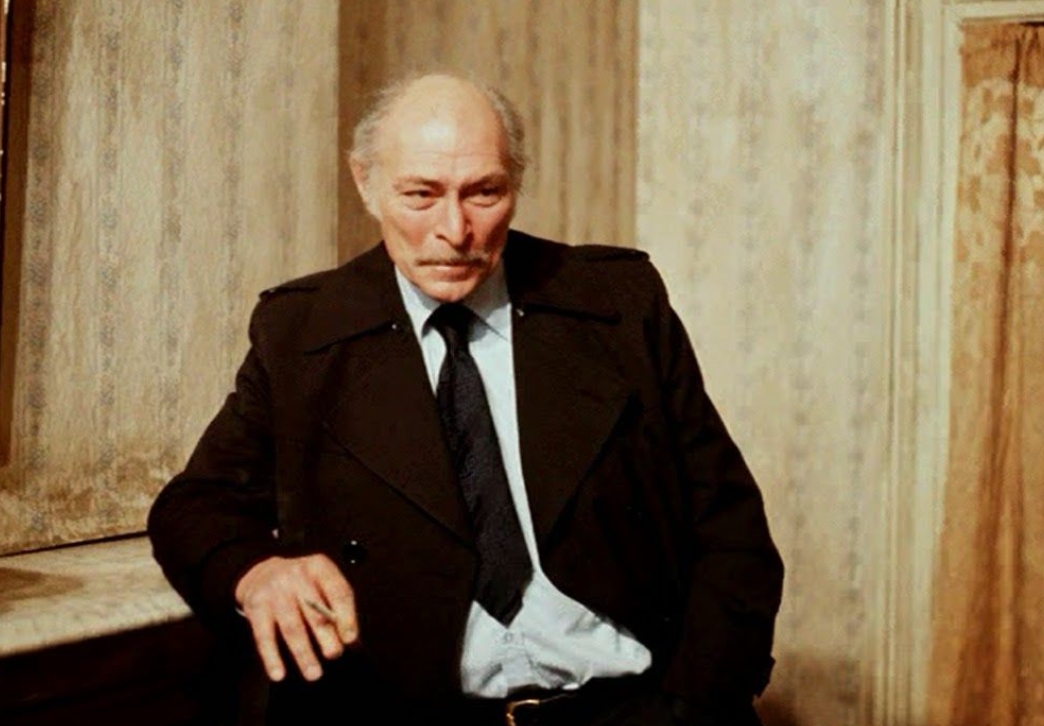
He went on to become a pillar of Spaghetti Westerns, appearing in landmark films such as The Good, the Bad and the Ugly, as well as Day of Anger and The Big Gundown. His performances radiated authority and controlled violence, influencing countless actors and filmmakers who followed. Few could convey so much with so little.
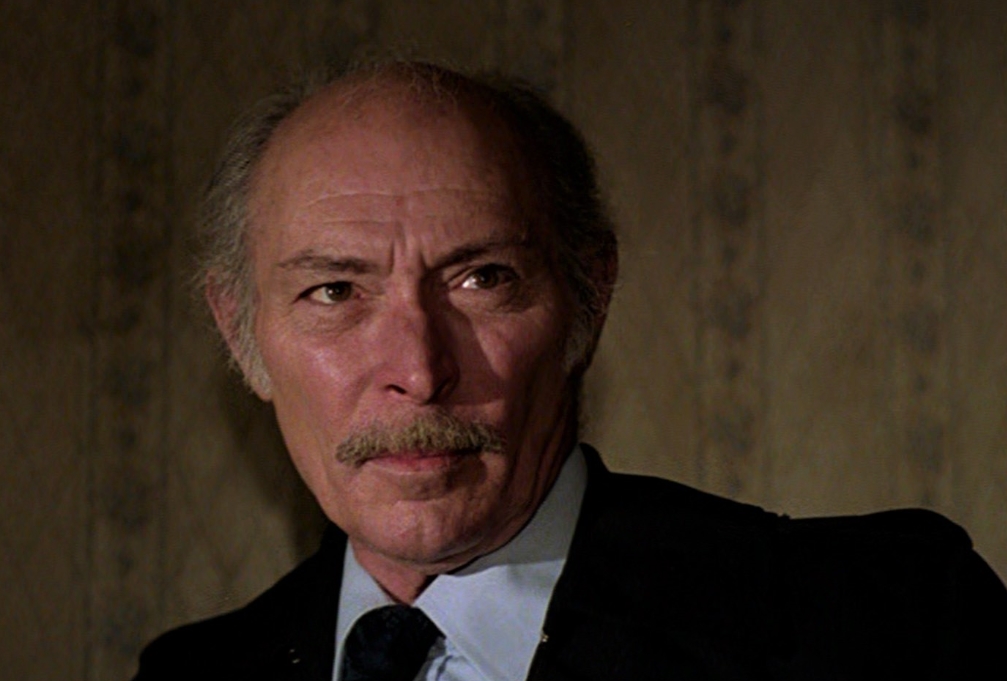
Lee Van Cleef’s legacy is one of reinvention, restraint, and lasting impact. He rose from overlooked character actor to global icon, proving that style, intensity, and discipline could forge cinematic immortality. Decades later, his image remains etched into film history—an enduring symbol of the Western’s dark, elegant soul.