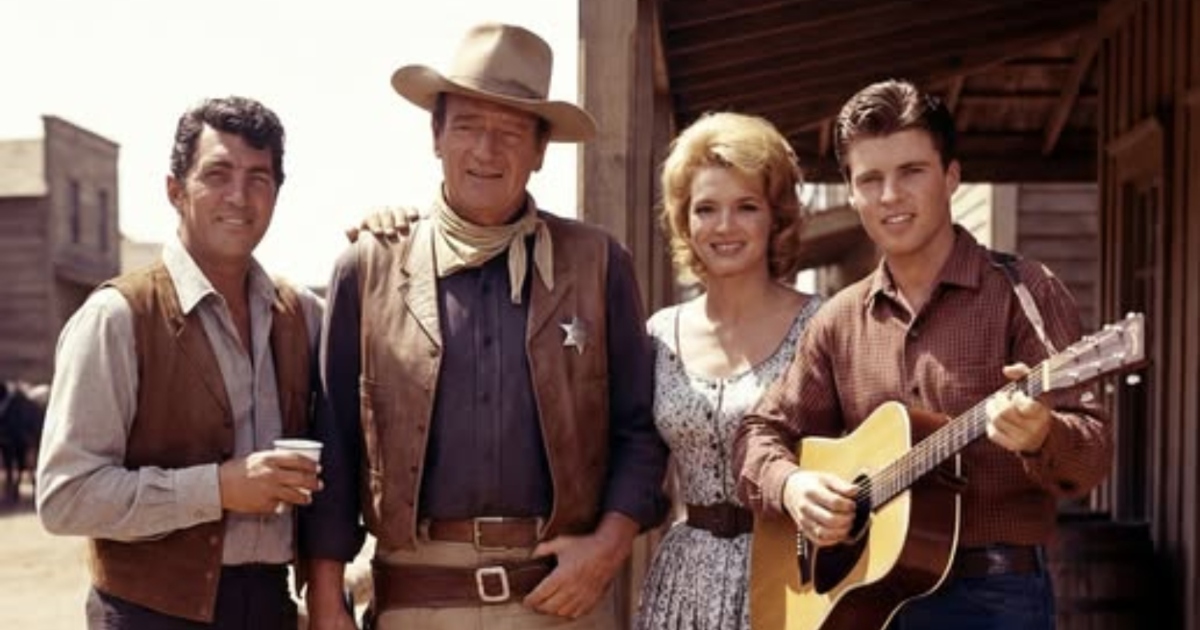
On March 18, 1959, the New York premiere of Rio Bravo didn’t just drop a curtain; it drew a line in the sand. While most Westerns of the era were obsessed with the horizon, Howard Hawks turned his camera inward, creating a tense, claustrophobic blueprint that redefined the genre. This wasn’t a film about the wide-open range; it was a soulful study of a jailhouse siege where professional pride was the only currency that mattered. By trading sprawling landscapes for the flinty atmosphere of a shared stand, Hawks birthed a living legacy that transformed a Saturday-matinee “oater” into a sophisticated masterclass in character.
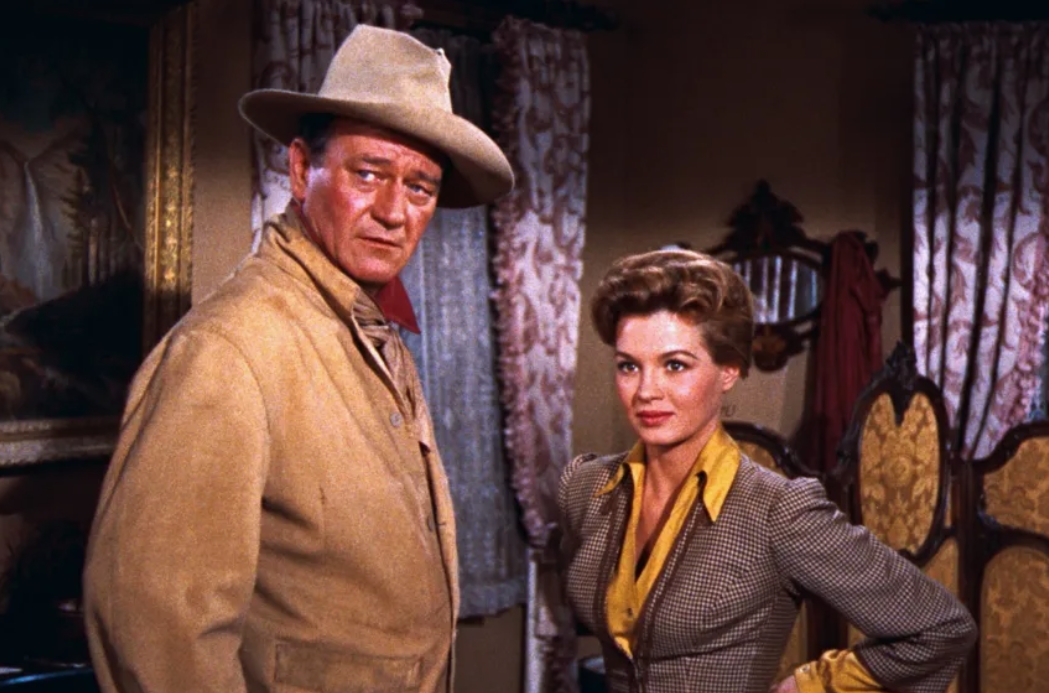
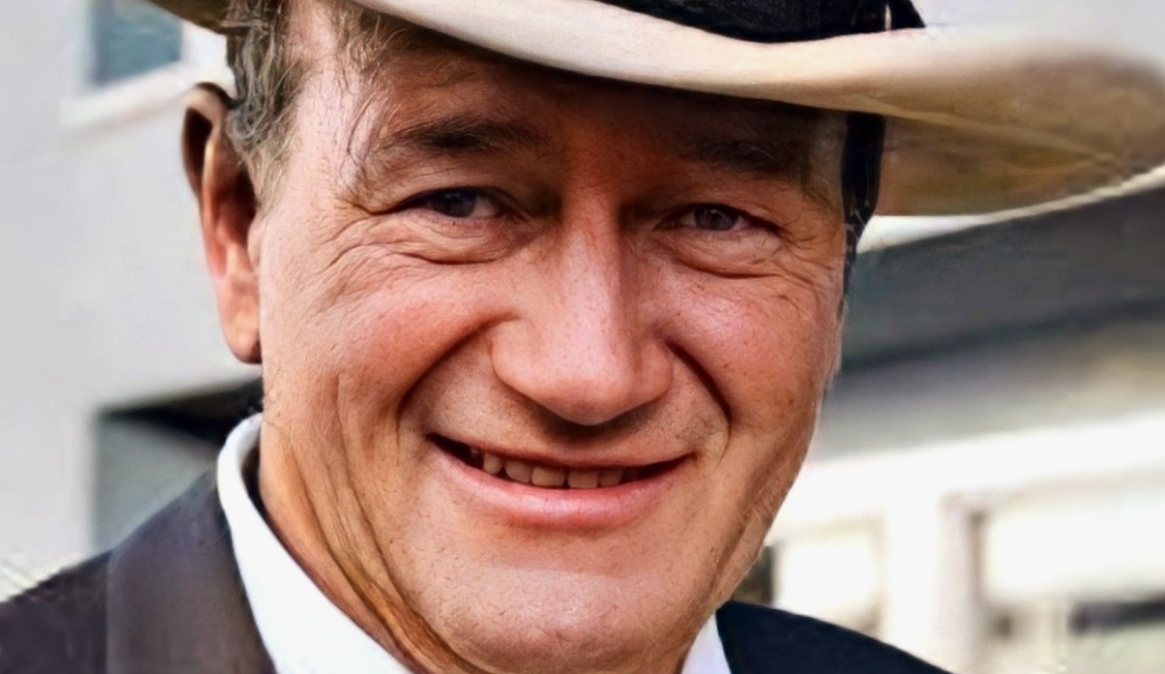
At the center of this storm stands John T. Chance, the “flinty sheriff” portrayed by an incomparable John Wayne. In one of his most definitive turns, Wayne provides the steady moral compass that allows his more volatile companions the room to bleed and breathe. His performance is a stoic foundation, a reminder of the longevity of talent that allowed him to command the screen with a simple, weary growl or a tilt of his hat. He isn’t just a lawman; he is the anchor of a makeshift family, proving that true authority is rooted in a quiet, unwavering sense of duty.
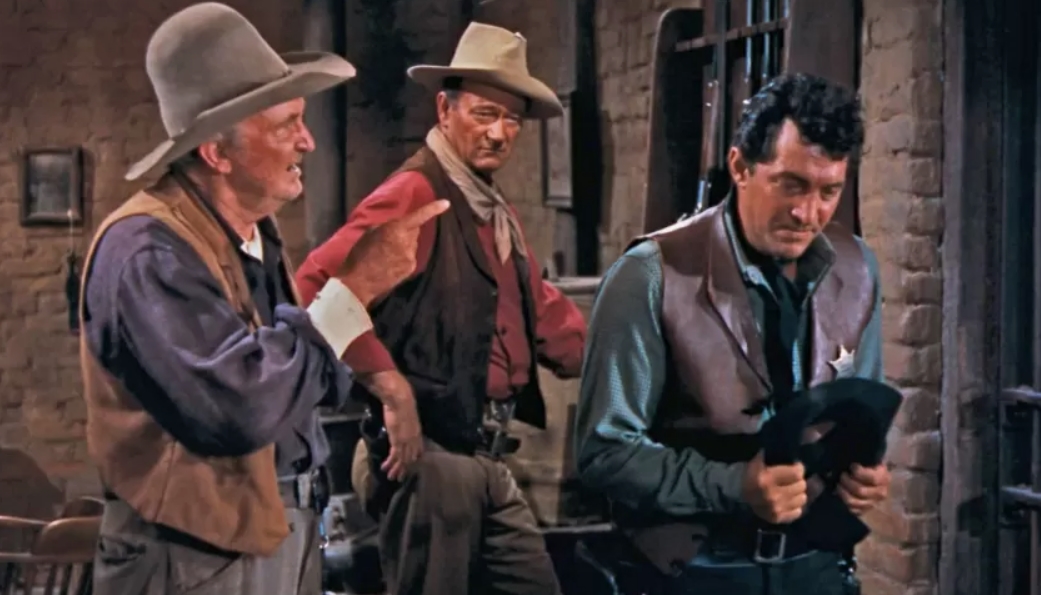
The emotional heart of the film, however, beats in the “fallen drunk” Dude and the “young gunslinger” Colorado. Dean Martin sheds his smooth crooner persona to give us a man desperately searching for his lost dignity, while Ricky Nelson brings a fresh, youthful energy that bridges the gap between generations. Their musical interlude in the jailhouse is a rare moment of theatrical excellence, a brief, melodic pause in the tension that feels profoundly human. It’s in these quiet notes of friendship and shared rhythm that the film finds its most enduring power, far beyond the smoke of a six-shooter.
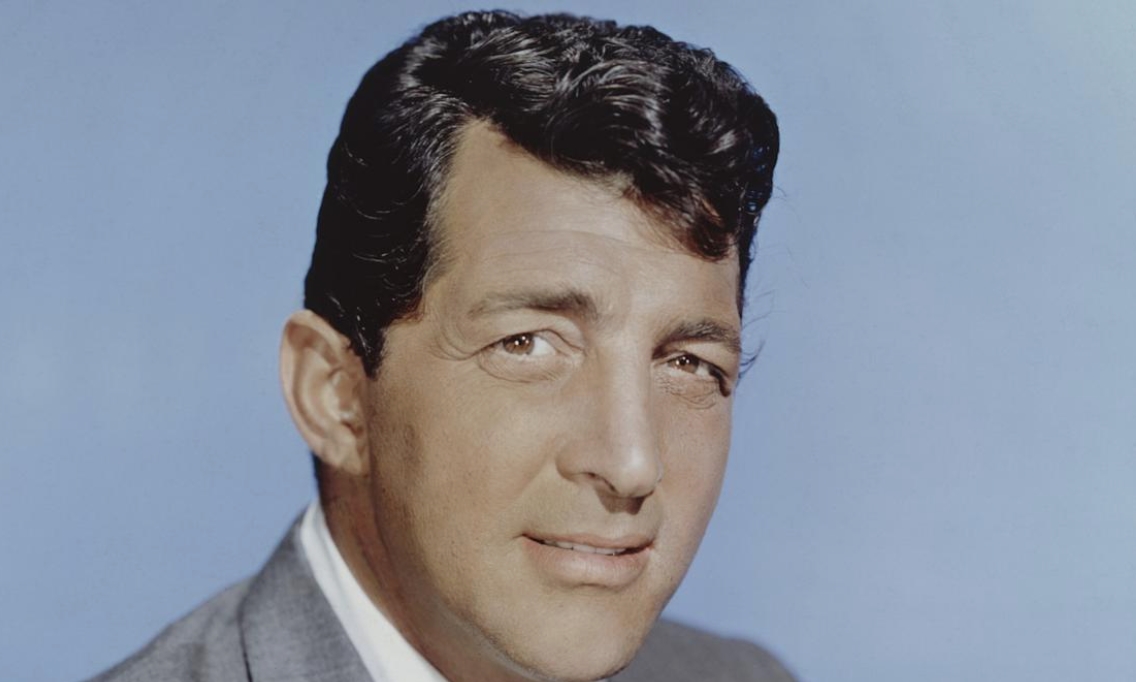
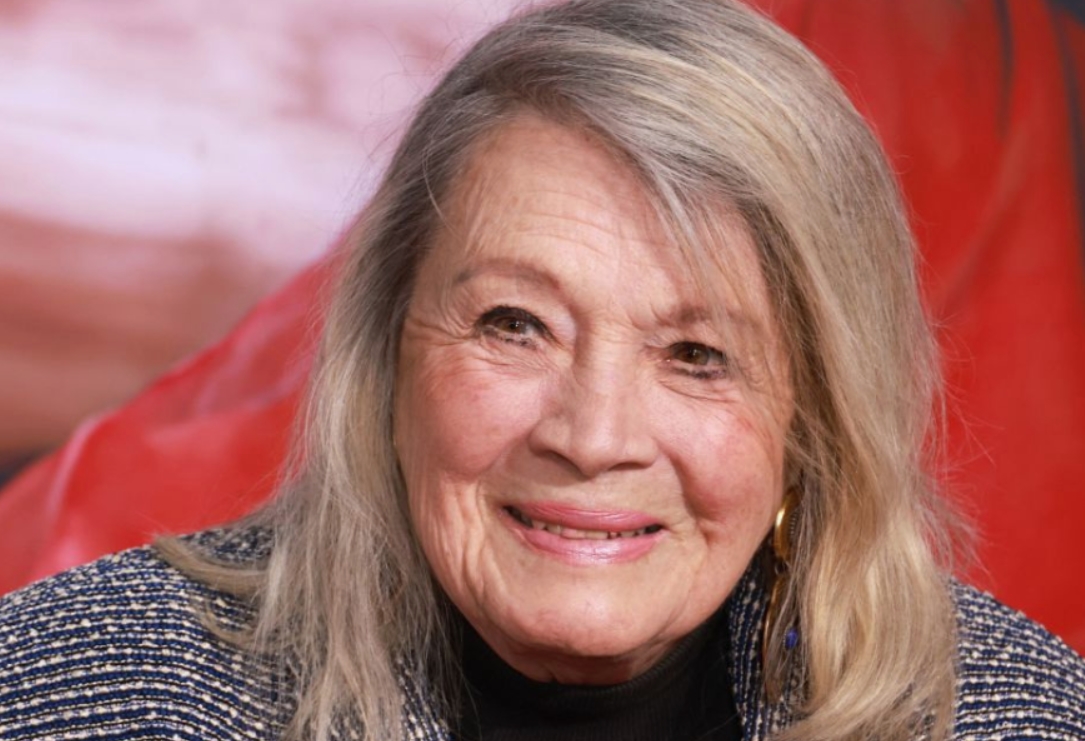
Adding a layer of sophisticated friction to this masculine standoff is Angie Dickinson as Feathers. Her performance was revolutionary, presenting a woman who was a formidable intellectual match for Wayne’s Chance rather than a damsel in distress. The sharp-tongued banter between them ensured that Rio Bravo appealed to a much broader audience, injecting a sense of wit and modern romantic tension into the frontier. Feathers doesn’t just unsettle the Sheriff’s guarded world; she completes it, proving that standing one’s ground is much easier when you have someone worth standing for.
As we look back from the vantage point of 2026, the chemistry of this ensemble—rounded out by the “venerable” grit of Walter Brennan as Stumpy—remains the gold standard for the “families we choose.” Rio Bravo reminds us that when our backs are against the wall, it isn’t the landscape that saves us, but the people beside us. It is a story of self-respect, a rhythmic celebration of those who do their jobs well despite the odds. In the end, the clink of a spur and the warmth of a shared song tell us everything we need to know: the most compelling battles are always for friendship.