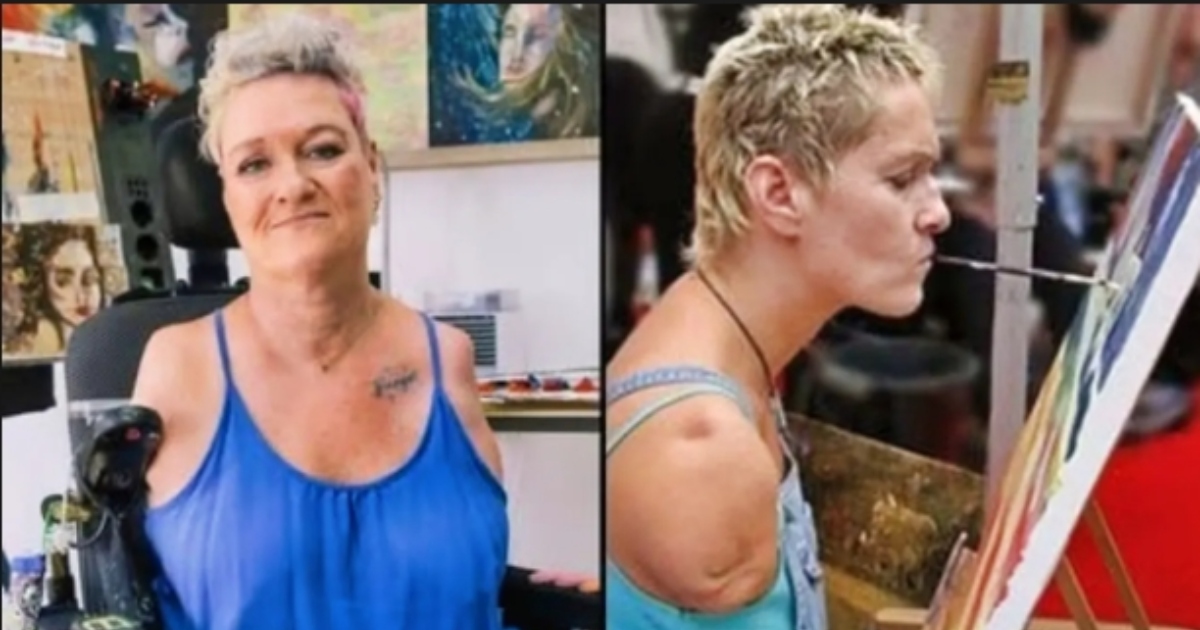
Born with phocomelia, which resulted in the absence of arms and incompletely developed legs, Alison Lapper was labeled “a complicated case” by doctors, a source of shame by her family, and a body to be corrected by institutions. Early in life, she was consistently told she was incapable of living independently, working, finding love, or, above all, becoming a mother. Rather than accepting these limitations, Alison viewed each one as a challenge. She chose to live her life not to prove a point, but by utilizing her mouth to paint, write, and create, slowly transforming art into a means of self-determination and escape from institutional life.
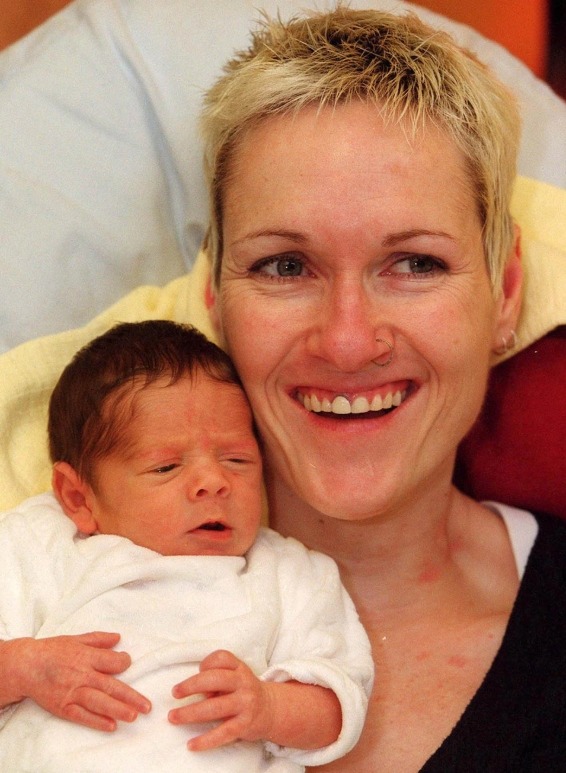
Alison Lapper’s dedication to art eventually led her to universities and then to professional recognition, culminating in a place of honor at the Royal Academy of Arts. Against every prognosis she had been given, the impossible occurred: Alison became pregnant. Though the child’s father, a former partner, refused to acknowledge paternity or participate in his son’s life, Alison chose not to reveal his name, stating her focus was not on explanations, but on raising her child with love. In 1999, her son, Parys Lapper, was born, raised by a mother who possessed great strength, dignity, and determination, despite her physical disabilities.
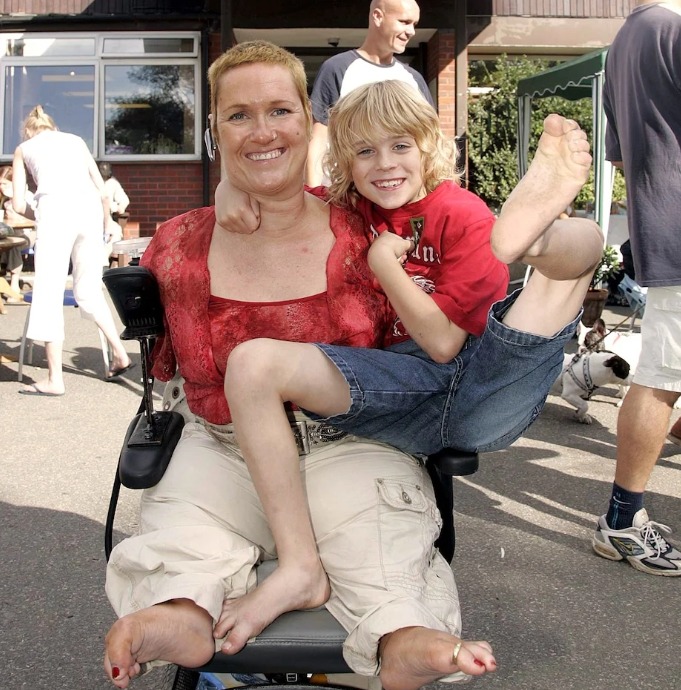
Raising Parys became a profound act of courage, as every necessary daily task—feeding, dressing, hugging, and educating him—was accomplished without the use of hands or arms, but with unwavering heart. Alison’s life story became a universal symbol in 2005 when sculptor Marc Quinn immortalized her in a monumental sculpture titled Alison Lapper Pregnant. The gigantic, proud figure of a pregnant woman without limbs was prominently exhibited in Trafalgar Square in London.

For months, millions of spectators observed the striking sculpture, which profoundly challenged societal perceptions of disability and motherhood. The statue presented a clear statement of power, not fragility, and demonstrated that motherhood is not exclusive to “perfect” bodies, but is fundamentally an act of will, responsibility, and love. Through this public display, Alison Lapper’s personal journey of self-determination was amplified, serving as a powerful, silent rebuttal to all who had told her she would never succeed.
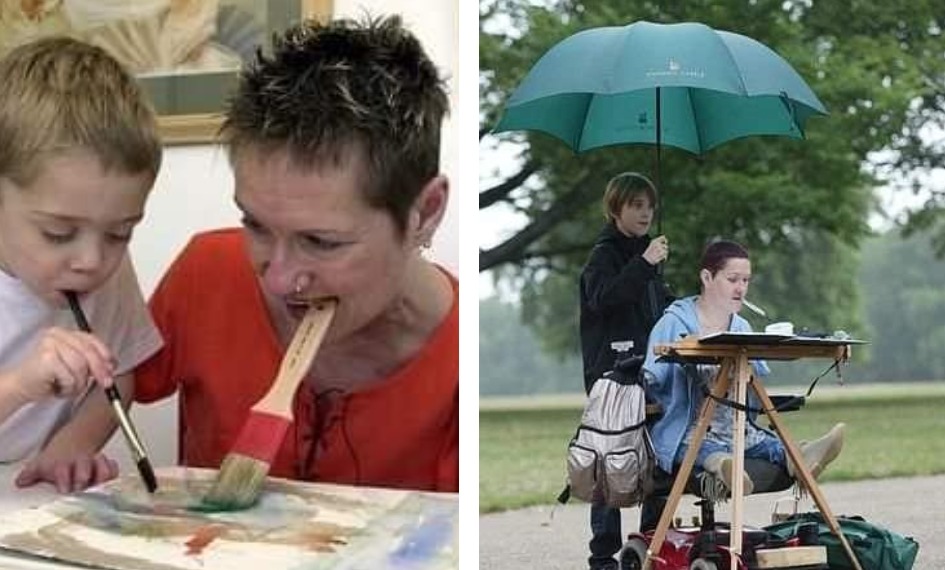
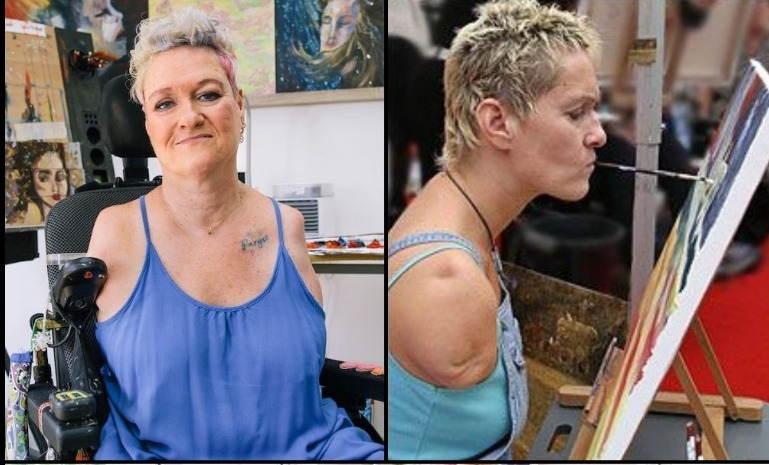
Alison Lapper lived a life initially constrained by physical limitations and low expectations, yet she transformed it into a powerful work of art and a concrete example of self-determination. Her story continues to powerfully remind the world of a simple, immense truth: a person’s worth is not defined by the body they inhabit, but by the strength, dignity, and will with which they choose to live, love, and contribute to the world.