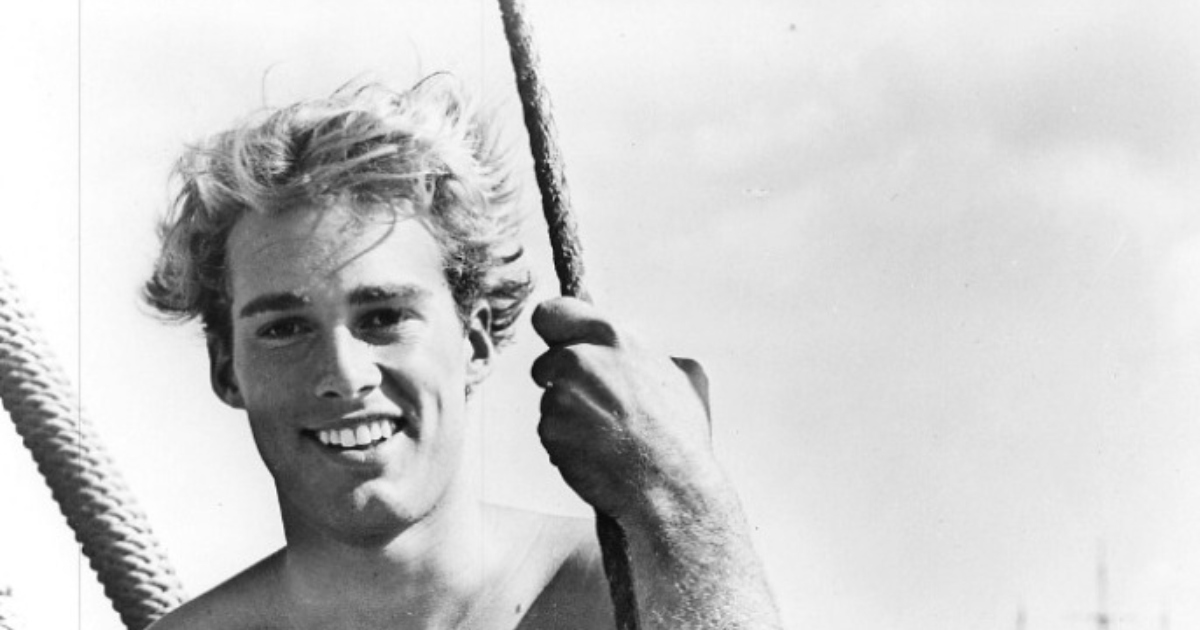
The enigmatic life and disappearance of Sean Flynn, the only son of Hollywood’s quintessential swashbuckler, remains one of the most haunting mysteries of the Vietnam era. Inheriting his father’s striking looks, Sean initially dabbled in the family business before realizing his true calling lay in the visceral reality of conflict zones rather than a polished soundstage. By the mid-1960s, he had traded the comforts of celebrity for a Leica camera, carving out a reputation as a fearless photojournalist in the mud of Southeast Asia. He didn’t just cover the war; he lived it, seeking a truth that couldn’t be found under studio lights.
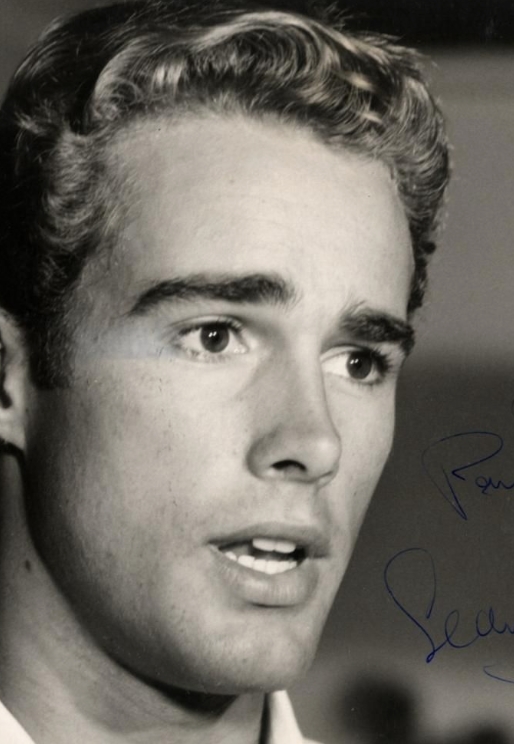
In April 1970, that pursuit led Sean and fellow journalist Dana Stone toward a final, storied horizon. The two “cowboy” journalists, mounted on motorcycles and fueled by a daring approach, rode toward a press conference in the volatile Cambodian border region. They weren’t looking for safety; they were looking for the true face of the conflict. When they were intercepted and captured by communist guerrillas, it wasn’t a mistake of geography, but the inevitable result of a life lived on the jagged edge of the front lines. They rode into the brush and simply vanished, leaving only the dust of the highway behind.
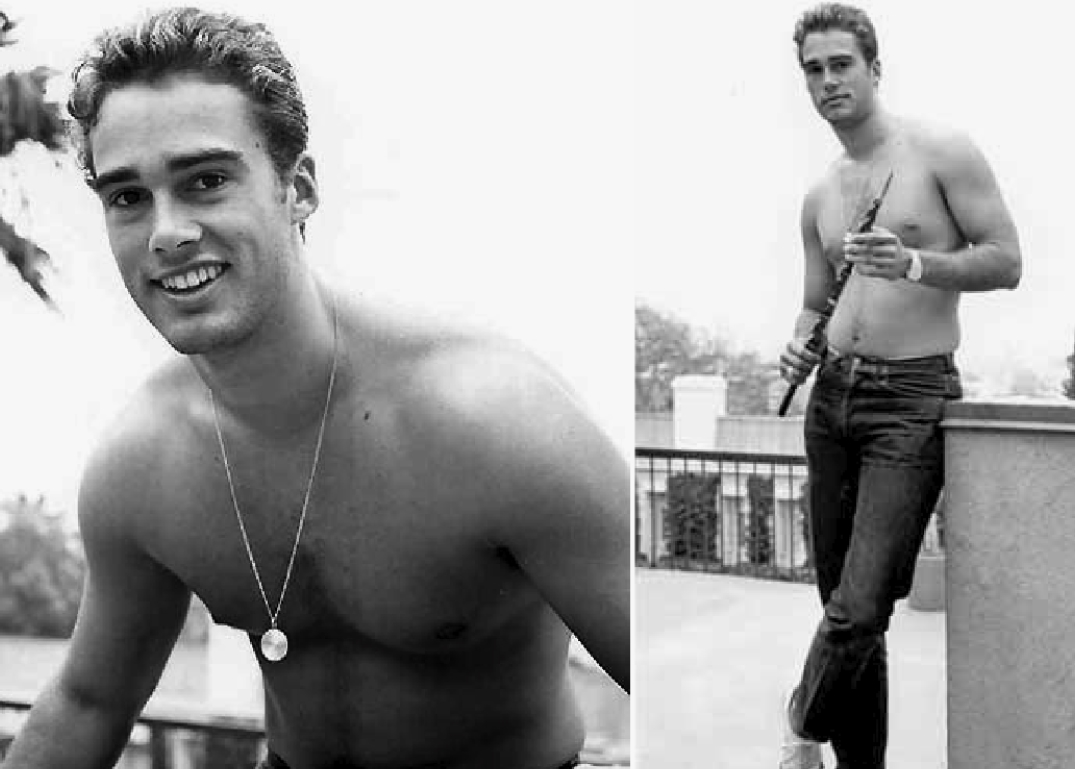
The years that followed were defined by a mother’s immense heart and a search that defied reason. Lili Damita exhausted her fortune and her spirit, scouring the political chaos of the region for a son who had become a ghost. Reports of prison camps and whispered executions filtered out of the dense jungles, but the canopy refused to yield its secrets. The search became a testament to a maternal bond that wouldn’t accept the silence of the vault, even as the world moved on from the wreckage of the war.
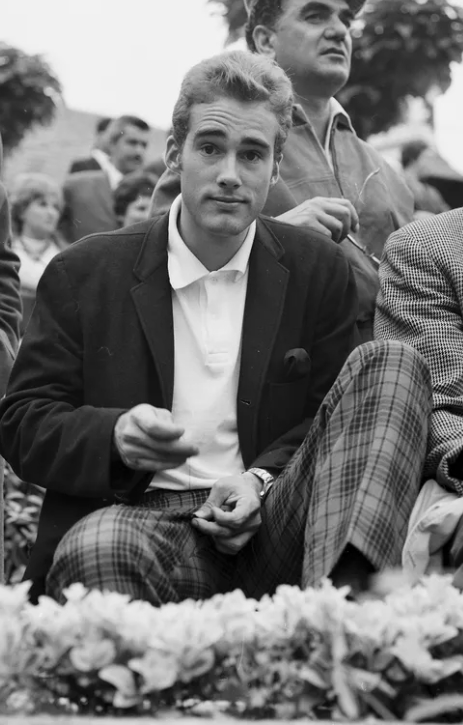
Sean’s legacy is ultimately defined by his pursuit of an unvarnished perspective. While his father fought fictional battles on technicolor seas, Sean documented the raw, grimy truth of actual warfare. His work wasn’t about the glory; it was about the raw contribution of the lens to the world’s understanding of human suffering. The void he left in photojournalism is a measure of his courage, a reminder that the most important stories are often the most dangerous to tell. He proved that the Flynn name wasn’t just about the charm—it was about a bone-deep commitment to the journey.
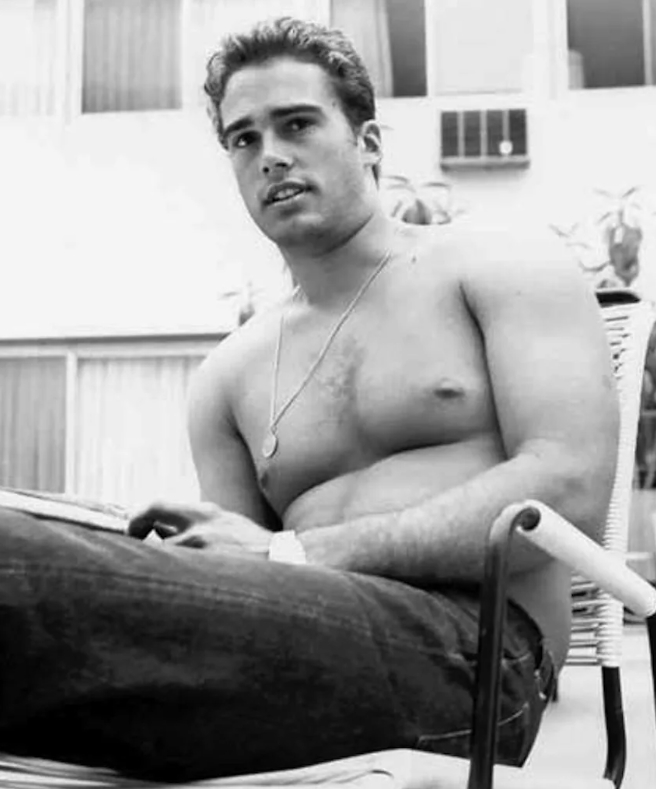
Today, we are left with the image of a young man riding a motorcycle into the Cambodian sunset, a final curtain call for a life lived without compromise. It is a story that warns of the high cost of truth, yet celebrates the spirit of those who refuse to look away. Though he was never seen again, Sean Flynn remains a powerful tribute to the journalists who go to the ends of the earth to record history as it happens. His life was a brief, brilliant flash of authenticity, proving that a legacy is not measured by the years lived, but by the passion captured through the lens.