
Long before gender fluidity entered mainstream dialogue, Pete Burns was already living entirely outside the lines. In the vibrant landscape of 1980s Britain, he wasn’t just another pop star trying to land on the charts; he was an undeniable force of nature who demanded to be seen on his own terms. With his striking appearance, signature eyepatch, and razor-sharp wit, Burns shattered rigid norms of masculinity with absolute confidence. He treated the world as his personal stage, daring anyone to challenge his individuality.
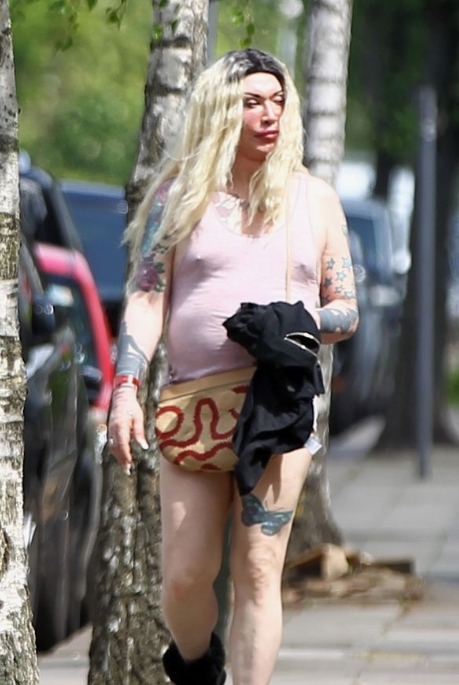
That fearless attitude found its sonic engine in 1985 with Dead or Alive’s explosive anthem, “You Spin Me Round (Like a Record).” Supercharged by Stock Aitken Waterman’s production, the track became a global sensation, but it was Burns’s thunderous baritone that gave the song its real muscle. He commanded every beat, radiating an infectious energy that defined the synth-pop era. Beyond the style and spectacle, he possessed a genuine vocal powerhouse that elevated Dead or Alive into an indelible staple of pop culture.
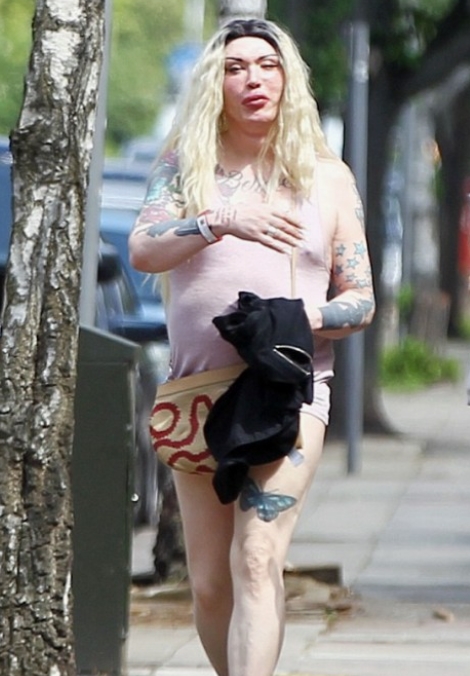
As the years progressed, public attention turned heavily toward his dramatic physical transformation. Over his lifetime, Burns underwent more than 300 cosmetic procedures, constantly reshaping his image. Where onlookers saw obsession, Burns saw personal agency—his body was his ultimate canvas. He spoke about his choices with unwavering candor, refusing to apologize even when severe medical complications took a grueling physical toll. For Pete, extreme alteration was never about seeking approval, but about asserting total control over his identity.
By 2016, rare public sightings in London offered a glimpse of a quieter, final chapter. Declining health and years of surgical strain had visibly caught up with him, yet he maintained his characteristic posture and defiant spirit. It was a bittersweet portrait of a pioneer aging away from the spotlight while retaining the fierce grit that defined his youth. His sudden passing from a heart attack in October 2016 at age 57 marked the quiet end of a turbulent, extraordinary life.
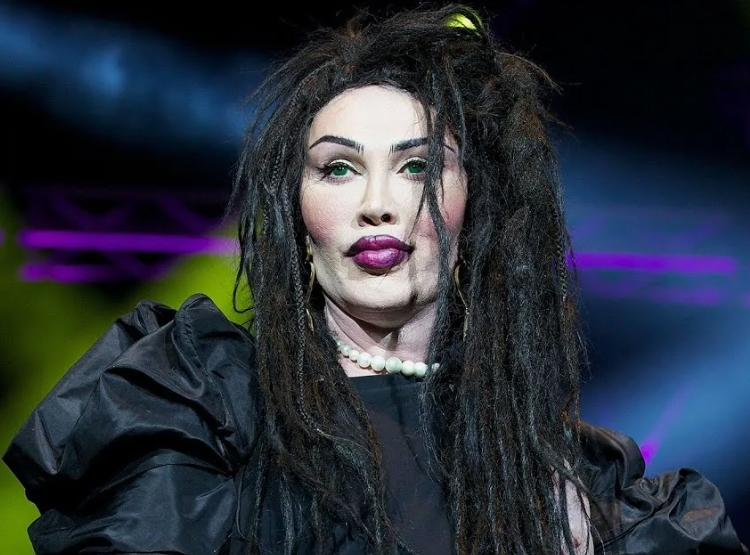
Ultimately, Pete Burns left behind far more than a dance-floor classic. He carved out space for generations of contemporary artists navigating non-conformity, gender fluidity, and aesthetic freedom. In a world that constantly demands assimilation, he chose raw authenticity, taking the heat of public scrutiny so others could stand boldly in their own truth. His legacy remains a vibrant reminder that the ultimate act of courage is living entirely on your own terms.