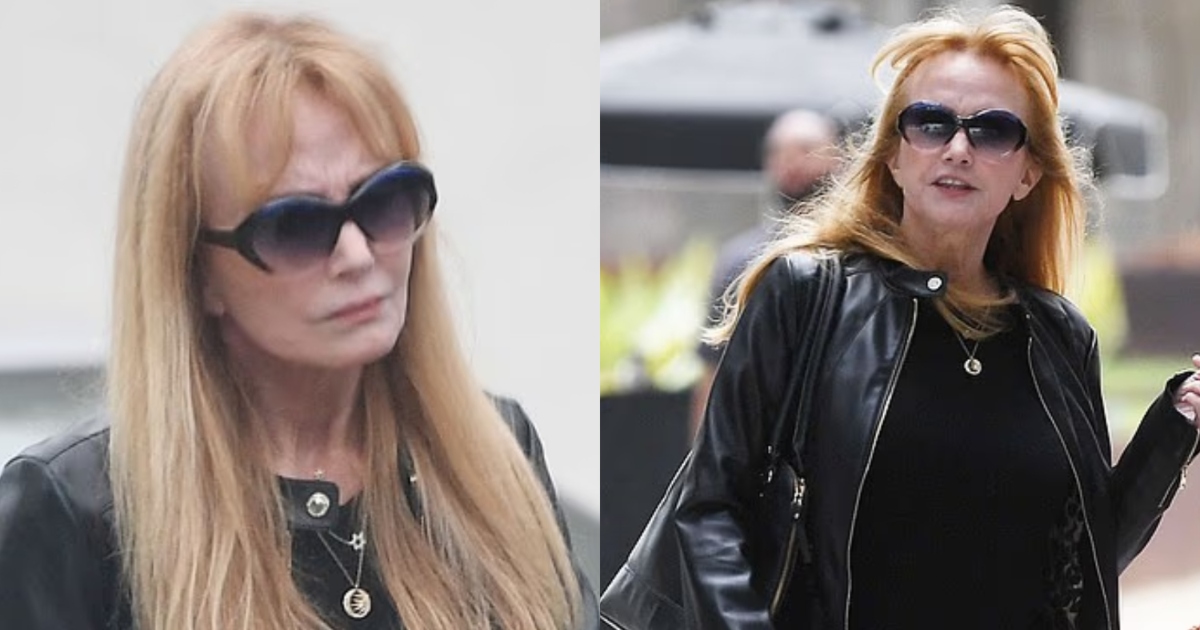
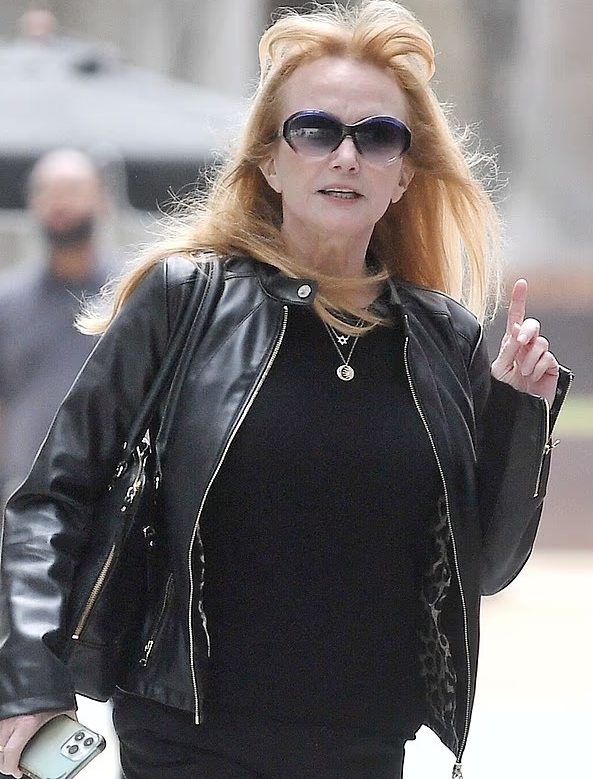
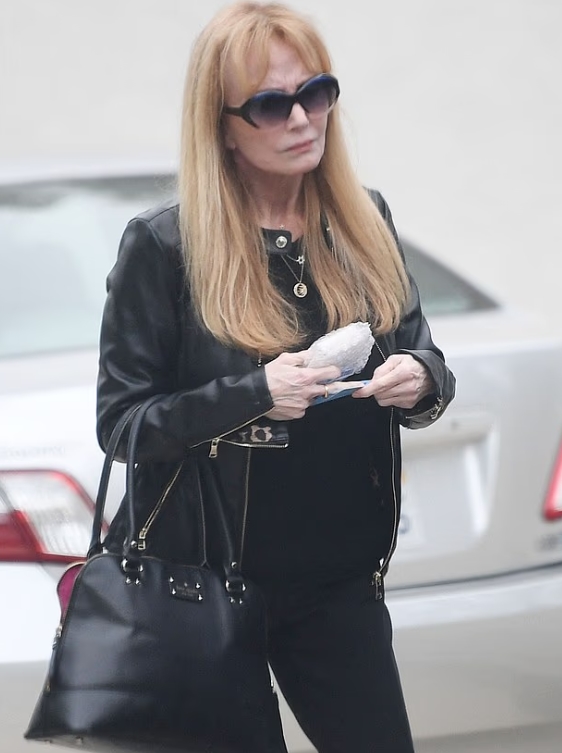
In the quiet, curated halls of the Los Angeles County Museum of Art, a familiar silhouette recently offered a masterclass in staying relevant without saying a word. At 65, Rebecca De Mornay cut a striking figure in a black leather jacket, her eyes shielded by blue-tinted sunglasses like a woman who has seen the sun rise and set over the Sunset Strip enough times to know its secrets. There was an effortless cool in her stride that sparked an immediate wave of nostalgia, yet she looked less like a relic of a bygone era and more like a formidable presence who remains as sharp as the edge of a cinema lens.
Our collective fascination began in 1983 with the enigmatic Lana in Risky Business. She wasn’t just a face on a poster; she was the catalyst for a cultural shift. Her real-life romance with Tom Cruise made them the most talked-about couple of the decade, but De Mornay was always playing a longer game. She pivoted from bombshell status to a foundation of theatrical excellence in films like The Trip to Bountiful, proving early on that her talent was too heavy to be sustained by mere beauty. She possessed a cerebral, electric screen presence that suggested she was always the smartest person in the room.
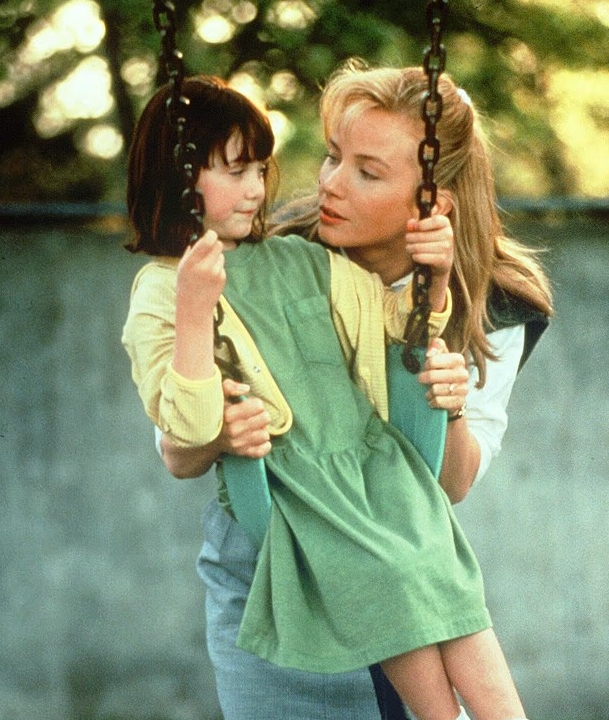
The nineties saw her lean into a chilling transformation that would define her living legacy. As the vengeful Peyton Flanders in The Hand That Rocks the Cradle, she delivered a performance that remains a masterclass in psychological horror. She didn’t just play a villain; she inhabited a woman’s fractured psyche with such precision that she became a legendary film antagonist. It was a bold, scenery-chewing pivot that proved she was unafraid of the dark, securing her place in the pantheon of performers who can turn a polite smile into a weapon of pure terror.
Her personal history reads like a poem dedicated to the era’s most fascinating figures. Beyond the glare of the Cruise years, she shared a deep connection with Leonard Cohen, who famously dedicated his 1992 album The Future to her. To be a muse to such a titan speaks to the gravity she carries. Yet, despite this storied history, she has transitioned into a grounded, private focus on her two daughters, Sophia and Veronica. She has managed the rare feat of keeping her private life sacred while maintaining the mystery that makes a movie star truly immortal.
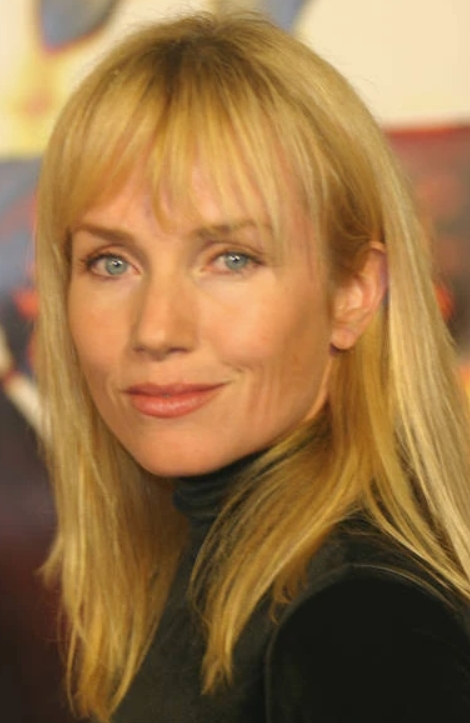
As she moves through her sixties, De Mornay continues to exemplify the longevity of talent in an industry that is notoriously unkind to women as they age. Whether she is appearing in modern thrillers like Saint Clare or simply navigating a museum, she remains a formidable style icon. Her recent outing at LACMA serves as a reminder that while the “bombshell” and the “villain” were roles she played, the artist behind them is far more enduring. Her true star power doesn’t rely on the roles of the past; it lives in her refusal to be anything other than truly timeless.