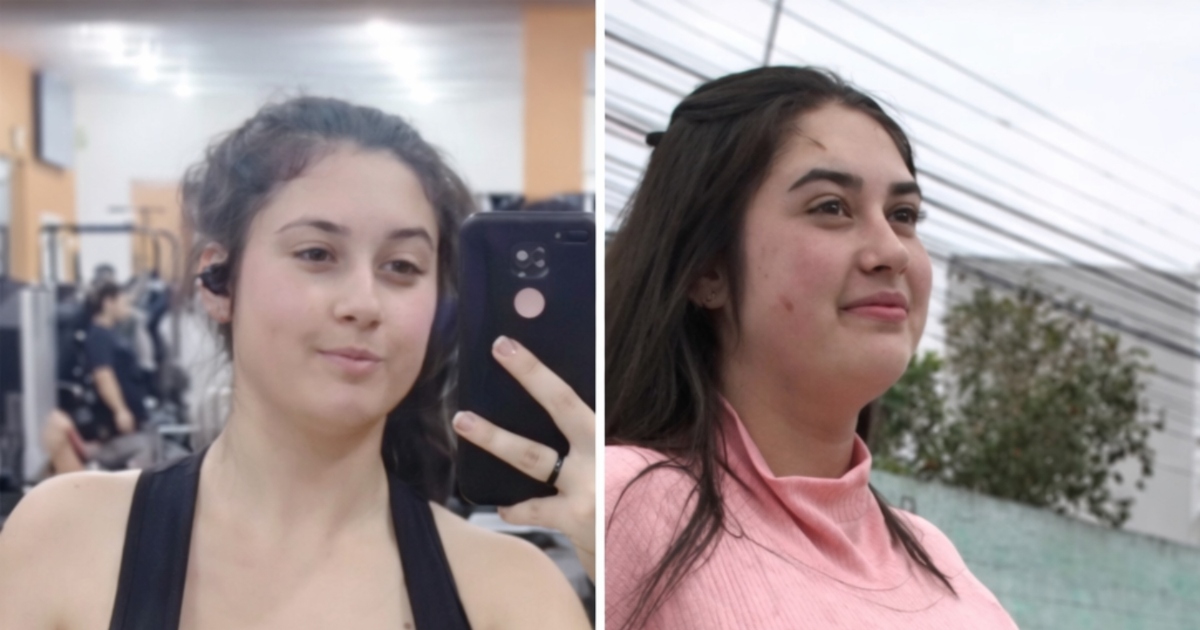
At just 22 years old, Thaynara Marcondes, a pedagogy student from Brazil, experienced a life-altering medical shock. In early 2024, her body began changing rapidly and uncontrollably as she developed gigantomastia, a rare condition that causes extreme breast tissue growth. Within months, her breasts reached a combined weight of nearly 10 kilograms, placing immense strain on her spine, shoulders, and overall health. Everyday movements became painful, her posture suffered, and her ability to work at a daycare—where lifting children is essential—was taken from her.
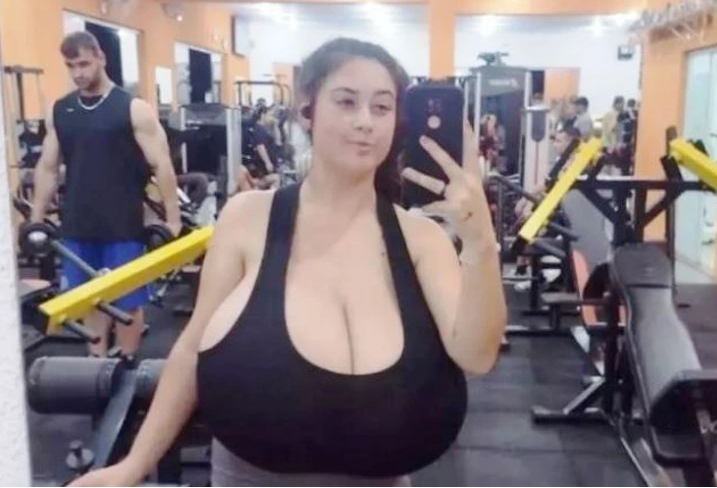
The emotional impact was just as devastating. Thaynara watched her independence disappear as dressing herself became a source of distress. She described trying on shirt after shirt, none of them fitting, until she packed away her entire wardrobe in tears. Wearing a bra became impossible. Social life, confidence, and mobility slowly slipped away, replaced by physical pain and a growing sense of isolation in a body she no longer recognized as her own.
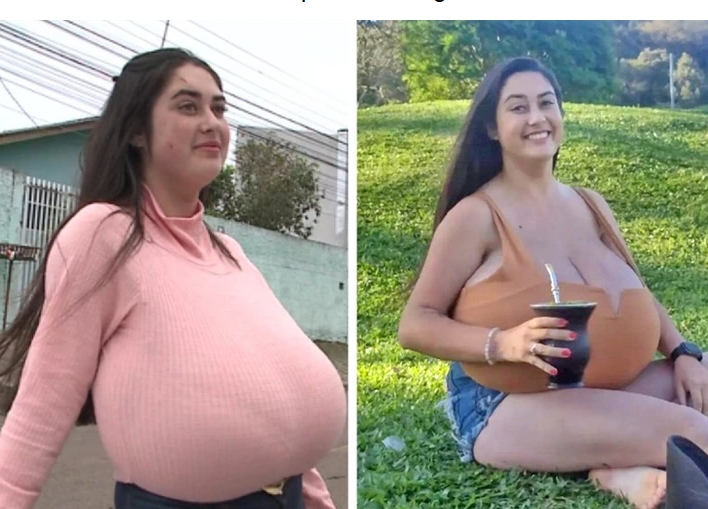
Gigantomastia, also known as macromastia, is a rare and poorly understood condition often linked to hormonal imbalances, medications, or unknown triggers. It is not a cosmetic issue—it is a serious medical disorder that can cause chronic pain, nerve damage, skin injuries, and spinal problems. In Thaynara’s case, doctors were unable to identify a clear cause. What was certain, however, was that surgery was medically necessary. In October 2024, she underwent a major breast reduction procedure to restore her health and prevent permanent damage.
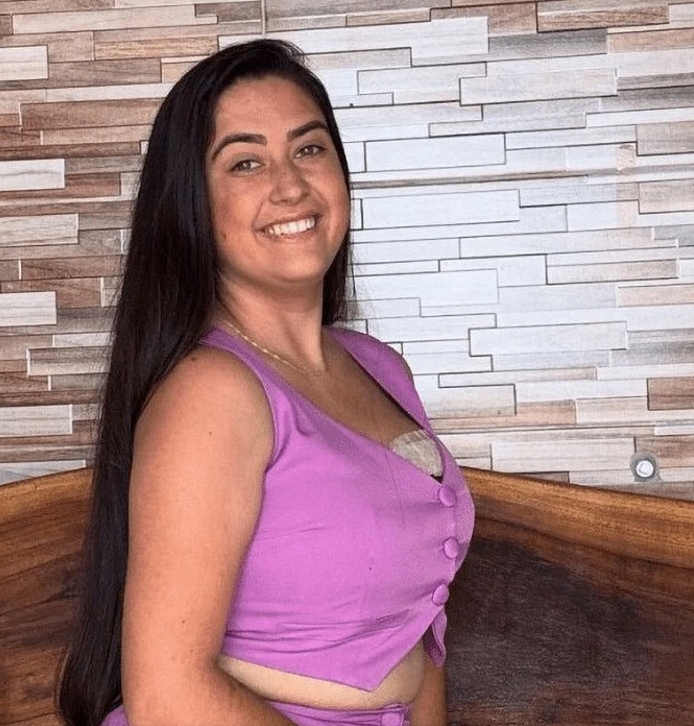
The surgery marked a turning point. As her body began to heal, so did her spirit. Thaynara started sharing her recovery openly on social media, raising awareness about gigantomastia and challenging the misconception that breast reduction is merely aesthetic. Her honesty resonated with thousands, turning her personal struggle into a source of strength and guidance for others suffering in silence.
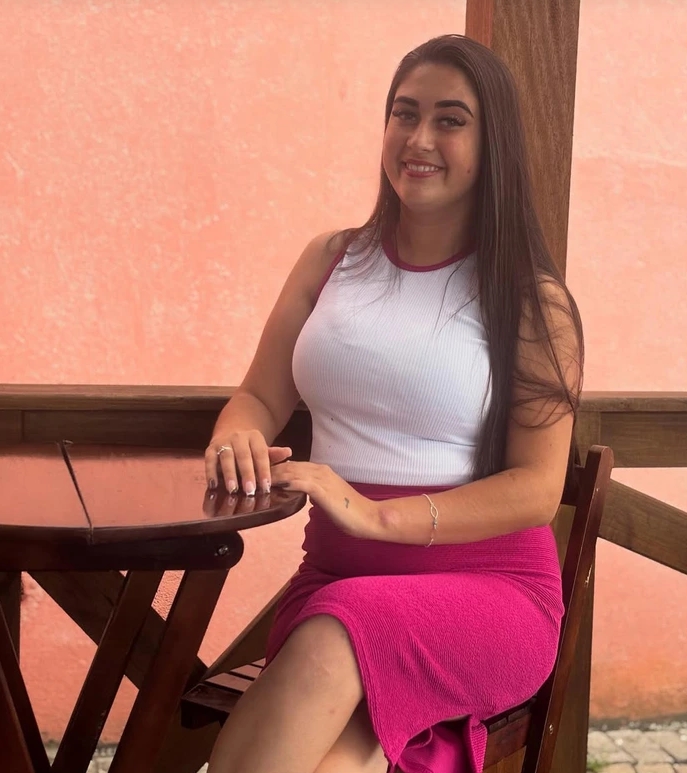
Today, Thaynara looks ahead with renewed hope. She dreams of returning to work, exercising freely, and enjoying simple moments without pain. Her story is one of courage, modern medicine, and reclaiming autonomy. It’s a reminder that health care saves lives in ways we don’t always see—and that resilience can rebuild what illness tries to take away.